
Sleep Problems During Menopause: When to Look Beyond Hot Flashes

Waking up at 3 a.m. again? During perimenopause and menopause, night sweats are an obvious suspect, but they’re not the only reason sleep can become difficult.
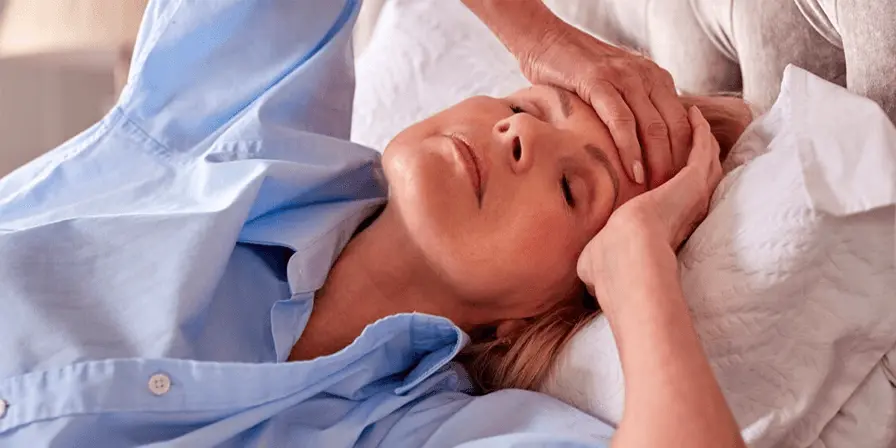
Hormonal changes may contribute to hot flashes and night sweats that interrupt sleep. Insomnia, sleep apnea, restless legs, stress, medications, and other health concerns can also play a role. Sometimes more than one factor is involved.
What Might be Disrupting Your Sleep?
Start taking a few minutes to notice what happens when you wake-up. Are you feeling refreshed or are you feeling anxious and tired? Are you feeling hot or sweaty from possible night sweats? Did you have trouble falling or staying asleep? Lying awake for long stretches, waking too early, or feeling anxious about bedtime may suggest insomnia. Snoring, gasping, morning headaches, or feeling exhausted after a full night in bed are reasons to ask whether a breathing-related sleep disorder should be considered.
These signs don’t diagnose a condition. A sleep diary can help you explain the pattern to your healthcare provider. For a week or two, make a note on things like when you go to bed and wake, any night sweats or other symptoms, and how you feel the next day.
Could it be Sleep Apnea?
Sleep apnea can affect women, and its symptoms may not match the stereotype of loud snoring and obvious daytime sleepiness. Persistent unrefreshing sleep, snoring, gasping, or witnessed breathing pauses are worth discussing with a clinician.
Menopause symptoms and a sleep disorder can also occur at the same time, which can make your sleep even worse.
What Can Help with Menopause and Sleep Issues?
The right next step depends on what’s causing the disruption. Talk with your menopause care clinician about hot flashes and night sweats. If difficulty falling or staying asleep persists, ask your sleep doctor or sleep specialist about insomnia care, including cognitive behavioral therapy for insomnia (CBT-I). If you have signs of sleep apnea or another sleep disorder, a sleep specialist can decide whether testing is appropriate.
A regular sleep schedule and comfortable bedroom may support better sleep, but persistent problems deserve a closer look.

If frequent awakenings, fatigue, or possible breathing problems are affecting your days, contact CSMA to schedule a sleep evaluation. CSMA serves patients in Houston, Sugar Land, The Woodlands, and Austin.
Frequently Asked Questions About Menopause and Sleep
Are night sweats the only reason menopause affects sleep?
No. Insomnia, sleep apnea, restless legs, stress, medications, and other health concerns may also disrupt sleep.
Can I have sleep apnea without loud snoring?
Yes. Some women with sleep apnea don’t have loud snoring or the symptoms people commonly expect. Ongoing unrefreshing sleep is worth discussing with a clinician.
Will a sleep study tell me if menopause is causing insomnia?
A specialist may recommend testing if your symptoms suggest sleep apnea or another condition that a sleep study can identify.
Should I see a menopause clinician or a sleep specialist?
It may help to involve both. Your menopause care clinician can address symptoms such as hot flashes, while a sleep specialist can evaluate persistent insomnia or signs of another sleep disorder.
Medical Disclaimer
This article is for general education and does not diagnose sleep apnea or replace professional medical care. Symptoms may have several causes. Consult a qualified healthcare professional for evaluation and treatment recommendations. Do not change prescribed treatment on your own. Do not drive when sleepy. Call 911 for a medical emergency.


Comments