
When Trauma Follows You to Bed: Understanding the Connection Between PTSD and Sleep

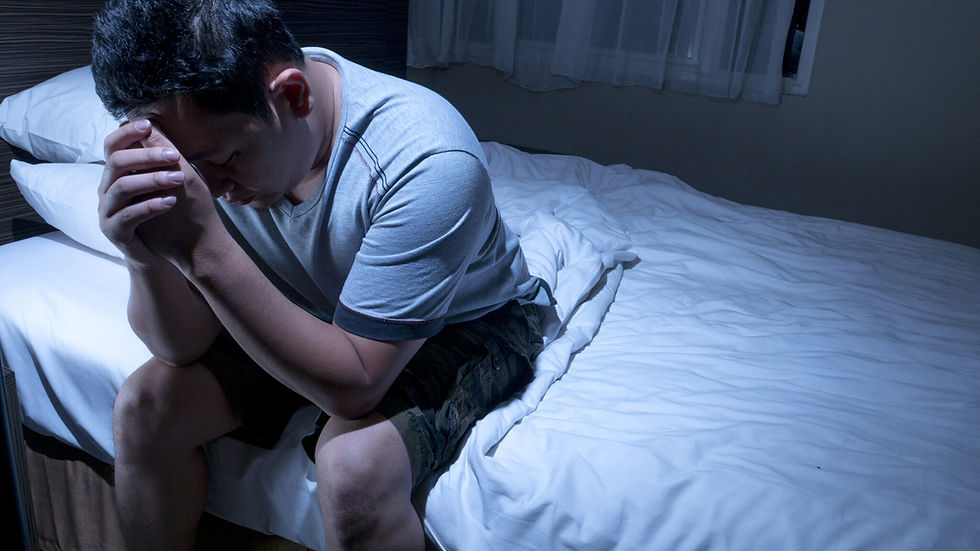
The danger may be over, but your nervous system does not always get the message. For people living with post-traumatic stress disorder (PTSD), nighttime can feel less like a chance to rest and more like another challenge to survive. The house is quiet, the distractions of the day are gone, and the brain remains on alert. Falling asleep may feel unsafe. A small sound may trigger a rush of adrenaline. Nightmares can make waking up a relief and going back to bed something to dread.

Sleep difficulties are not a minor side effect of PTSD. Trouble falling asleep and distressing dreams are among its recognized symptoms, and chronic sleep disruption can leave a person exhausted, irritable, unfocused, and less able to cope with stress the next day. The result can become a painful cycle.
PTSD interferes with sleep, and poor sleep can make it harder to manage PTSD symptoms.
The good news is that both conditions are treatable. Addressing sleep alongside trauma-focused care can help patients move toward more restorative nights and more manageable days.
What Is PTSD?
Post-traumatic stress disorder, or PTSD, is a mental health condition that can develop after experiencing or witnessing a traumatic event. Combat exposure is one well-known cause, but PTSD is not limited to military service. It can also follow sexual assault, domestic violence, a serious accident, a natural disaster, childhood abuse, medical trauma, the sudden loss of a loved one, or another event involving actual or threatened harm.
It is normal to experience stress reactions after trauma. For many people, those reactions gradually become less intense. PTSD may be diagnosed when symptoms continue, interfere with daily life, and follow a particular pattern that can include:
Intrusive memories, flashbacks, or nightmares
Avoiding reminders of the trauma
Changes in mood, thinking, trust, or emotional connection
Feeling tense, watchful, easily startled, or constantly on guard
Difficulty concentrating or sleeping
PTSD is not a sign that someone is weak or failing to “move on.” It reflects the way the brain and body have responded to an overwhelming experience.
Why PTSD Makes Sleep So Difficult
Sleep requires a degree of safety and surrender. PTSD can make both feel impossible.
1) Hyperarousal keeps the brain on duty
Hyperarousal is the feeling of being keyed up or prepared for danger even when the immediate threat has passed. At bedtime, it may look like racing thoughts, muscle tension, a pounding heart, scanning the room, checking locks repeatedly, or waking at the slightest noise.
This heightened alertness can delay sleep and cause frequent awakenings. Some people describe themselves as “light sleepers,” but the deeper issue may be that their nervous system is reluctant to stand down.
2) Nightmares create a fear of sleep
Trauma-related nightmares may replay parts of an event or carry its fear, helplessness, or threat into a different scenario. After waking, the body may remain flooded with adrenaline. Returning to sleep becomes difficult, and some people begin staying awake intentionally to avoid another nightmare.
That avoidance can provide short-term relief while worsening sleep deprivation over time.
3) The bedroom can become associated with struggle
After enough difficult nights, the bed itself may become a cue for worry. Thoughts such as “I won’t sleep,” “I’m going to have that dream again,” or “I won’t be able to function tomorrow” can increase arousal precisely when the body needs to settle.
This learned pattern helps explain why insomnia can continue even when other PTSD symptoms begin improving.
4) Coping strategies may disrupt sleep further
Some people use alcohol, cannabis, sedating medications, late-night screen time, or an irregular schedule to cope. These strategies may seem helpful at first but can alter sleep quality, interact with medications, increase safety risks, or make the underlying sleep problem harder to recognize. Any substance or medication used for sleep should be discussed openly with a qualified healthcare provider.
PTSD Can Involve More Than Insomnia and Nightmares
It is easy to assume every sleep complaint is “just the PTSD.” That assumption can allow a separate, treatable sleep disorder to go undiagnosed.
People with PTSD may also experience or live with:
Obstructive sleep apnea: repeated narrowing or blockage of the airway during sleep, sometimes marked by loud snoring, gasping, pauses in breathing, morning headaches, or daytime fatigue
Sleep-related movement disorders: uncomfortable leg sensations or repeated limb movements that fragment sleep
Parasomnias: unwanted behaviors or experiences during sleep, such as acting out dreams, sleepwalking, or confused awakenings
Circadian rhythm disruption: a sleep-wake schedule that has shifted out of alignment with daily responsibilities
Excessive daytime sleepiness: an inability to stay alert despite spending enough time in bed
Symptoms overlap. Fatigue, poor concentration, irritability, memory problems, and depressed mood can come from PTSD, disrupted sleep, another medical condition, or several factors at once. A thorough evaluation helps separate the threads.
How Poor Sleep Can Affect PTSD Recovery
One rough night can make almost anyone feel emotionally thin-skinned. When sleep disruption continues for weeks or months, the effects become harder to dismiss.
Poor sleep may contribute to:
Greater irritability and emotional reactivity
Difficulty concentrating or remembering information
Reduced tolerance for stress
Daytime fatigue and lower motivation
More anxiety about bedtime
Reduced participation in work, relationships, or therapy
Safety concerns related to drowsy driving or impaired attention
Treating sleep does not erase trauma, and sleep care alone is not a complete treatment for PTSD. It can, however, remove a major barrier to healing. A better-rested brain may have more capacity for emotional regulation, daily responsibilities, and active participation in psychotherapy.
What Treatment for PTSD-Related Sleep Problems May Include
There is no universal treatment plan. Good care begins by identifying the actual problem instead of reaching automatically for a sleeping pill.
1) Cognitive behavioral therapy for insomnia
Cognitive behavioral therapy for insomnia, commonly called CBT-I, is a structured treatment that addresses the thoughts and behaviors that keep insomnia going. It may include adjusting time in bed, strengthening the connection between bed and sleep, stabilizing the wake-up time, challenging unhelpful beliefs about sleep, and learning ways to lower arousal.
The National Center for PTSD identifies CBT-I as the preferred treatment for insomnia. It can be used alongside evidence-based psychotherapy for PTSD rather than waiting for every trauma symptom to resolve first.
2) Treatment for recurrent nightmares
Imagery rehearsal therapy is one behavioral approach used for recurrent nightmares. A patient works with a trained professional to rewrite a recurring dream with a less threatening ending and mentally rehearse the revised version while awake. Research results vary across populations, so a clinician can help determine whether this or another nightmare-focused approach is appropriate.
3) Evaluation for sleep apnea and other disorders
When symptoms suggest disordered breathing, unusual nighttime behavior, excessive sleepiness, or another sleep condition, a clinician may recommend diagnostic testing. Depending on the concern, this could involve an in-lab sleep study or a home sleep apnea test.
A sleep study is not a test for PTSD itself. Its role is to identify physiological sleep problems that may be contributing to broken sleep, fatigue, or cognitive symptoms.
4) Medication when clinically appropriate
Medication may be considered for PTSD, insomnia, nightmares, or a coexisting condition. The right choice depends on the patient’s complete health history, current medications, symptoms, and risks. For example, current VA guidance distinguishes between using prazosin for PTSD-associated nightmares and using it for PTSD overall. Medication decisions should be made with a prescribing clinician; patients should not start, stop, or change a medication on their own.
5) Trauma-focused mental-health care
PTSD treatment may include trauma-focused psychotherapies and, for some patients, medication. Sleep medicine should complement, not replace, care from a qualified mental-health professional. Communication among providers can reduce conflicting advice and create a more coherent recovery plan.
Small Steps That Can Support Better Sleep with PTSD
Sleep hygiene cannot cure PTSD or chronic insomnia, but a few consistent habits can support formal treatment:
Keep a steady wake-up time, including on weekends when possible.
Build a predictable wind-down routine that feels safe and manageable.
Reduce caffeine later in the day.
Avoid relying on alcohol or unprescribed substances for sleep.
Get daylight exposure and appropriate physical activity during the day.
Keep clocks, upsetting news, and work-related alerts out of view overnight.
If nighttime feels unsafe, work with a therapist on a personalized plan rather than forcing a routine that increases distress.
Generic advice such as “just relax” or “stop thinking about it” is not treatment. When the nervous system has learned to associate sleep with danger, professional support can help retrain that response.
When to Talk With a Sleep Specialist About PTSD and Sleep Issues
Consider a sleep evaluation when you have trouble sleeping several nights a week, nightmares repeatedly interrupt rest, fatigue affects work or driving, or sleep remains poor despite ongoing PTSD treatment. Loud snoring, choking or gasping, witnessed pauses in breathing, unusual movements, morning headaches, or severe daytime sleepiness are additional reasons to seek care.
Anyone experiencing thoughts of suicide or self-harm needs immediate help. In the United States, call or text 988 to reach the Suicide & Crisis Lifeline. Veterans and service members can call 988 and press 1, text 838255, or use the Veterans Crisis Line chat. Call 911 or go to the nearest emergency department if there is immediate danger.
How CSMA Supports Patients With PTSD and Sleep Problems
At Comprehensive Sleep Medicine Associates (CSMA), the focus is on identifying and treating sleep disorders that may be worsening fatigue, concentration problems, mood symptoms, and quality of life. A comprehensive evaluation may include a review of sleep patterns, medical and medication history, breathing symptoms, nighttime behaviors, and daytime function. When appropriate, testing may help identify sleep apnea or another sleep disorder.
CSMA’s role is designed to fit within coordinated care. Patients may continue working with a therapist, psychiatrist, primary-care provider, military clinician, or other professional while the CSMA team addresses the sleep component.
CSMA accepts TRICARE and serves military families, veterans, active-duty service members, first responders, and civilians. For patients searching for TRICARE PTSD treatment in Austin, TX, or TRICARE PTSD treatment in Houston, TX, a sleep evaluation may uncover a treatable condition that has been quietly complicating recovery. Coverage and referral requirements vary by plan, so patients should confirm their benefits before scheduling.
With locations serving Houston, Sugar Land, The Woodlands, and Austin, CSMA provides access to specialized sleep and neurological expertise across multiple Texas communities. You can also find more information to support your sleep health journey on our patient resources.
Better Sleep Can Be Part of Moving Forward
If trauma is following you into the night, you do not have to keep fighting it alone. Nightmares, insomnia, fragmented sleep, and exhaustion are real health concerns, not personal failures and not symptoms you simply have to tolerate.
Treating sleep is not the whole answer to PTSD, but it can be an important part of a thoughtful, coordinated recovery plan.

Schedule a sleep evaluation with CSMA today. Visit the PTSD and sleep disorders treatment page or call 888-503-2762 to request an appointment.
Frequently Asked Questions About PTSD and Sleep
Is insomnia a symptom of PTSD?
Yes. Difficulty falling or staying asleep is a recognized PTSD symptom. Insomnia can also become a separate condition that continues because the brain has learned to associate bedtime with alertness, worry, or danger. Both PTSD and insomnia may need targeted treatment.
Why do people with PTSD have nightmares?
Trauma-related nightmares are one way intrusive symptoms can appear during sleep. They may closely replay an event or communicate the same fear and threat through different imagery. Nightmare-focused treatment may help reduce their frequency or distress.
Can PTSD cause sleep apnea?
PTSD and obstructive sleep apnea can occur together, but that does not necessarily mean PTSD directly causes the airway to collapse. Because symptoms such as fatigue, poor concentration, and broken sleep overlap, an evaluation is important when snoring, gasping, breathing pauses, or morning headaches are present.
Will treating sleep apnea cure PTSD?
No. Treating sleep apnea addresses disrupted breathing during sleep, not the trauma itself. Better sleep may improve fatigue, alertness, and overall functioning, but evidence-based PTSD care may still be needed.
What is the best treatment for PTSD-related insomnia?
CBT-I is widely recommended as a first-line treatment for chronic insomnia, including insomnia experienced by people with PTSD. The best overall plan may combine CBT-I with trauma-focused psychotherapy, treatment for another sleep disorder, and medication when appropriate.
Do I need a sleep study for PTSD-related sleep problems?
Not everyone does. A sleep study may be recommended when symptoms suggest sleep apnea, unusual movements or behaviors, or another physiological sleep disorder. Insomnia is often diagnosed through a detailed clinical evaluation rather than a sleep study alone.
Does CSMA accept TRICARE for sleep evaluations?
CSMA lists TRICARE among its accepted insurance plans. TRICARE Prime may require a referral, and benefits can vary. Contact CSMA and your plan to verify current coverage, authorization, and referral requirements.
Can children and teenagers have PTSD-related sleep problems?
Yes. Young people may have nightmares, resist bedtime, become afraid to sleep alone, wake frequently, or have trouble concentrating during the day after trauma. A pediatrician or qualified mental-health professional can guide the initial evaluation and coordinate additional sleep care when needed.
Medical Disclaimer
This article is intended for general educational purposes only. It does not provide medical or mental-health advice and is not a substitute for evaluation, diagnosis, or treatment by qualified healthcare professionals. PTSD and sleep disorders can have overlapping symptoms and may require coordinated care. Do not start, stop, or change medication without consulting the prescribing clinician. If you or someone you know is in immediate danger, call 911 or go to the nearest emergency department. In the United States, call or text 988 for crisis support; veterans and service members may call 988 and press 1 or text 838255.


Comments