
PTSD, Sleep Issues, and Neurological Care: Tricare PTSD Treatment in Austin TX and Houston TX

Updated: May 25
Post-traumatic stress disorder (PTSD) is often discussed in terms of emotional and psychological symptoms, but many patients do not realize how deeply PTSD can affect the brain, nervous system, and sleep cycles. For military members, veterans, and families seeking Tricare PTSD treatment in Austin TX, these symptoms can become overwhelming when left untreated — especially when chronic sleep deprivation, neurological symptoms, and mental health concerns begin feeding into one another.
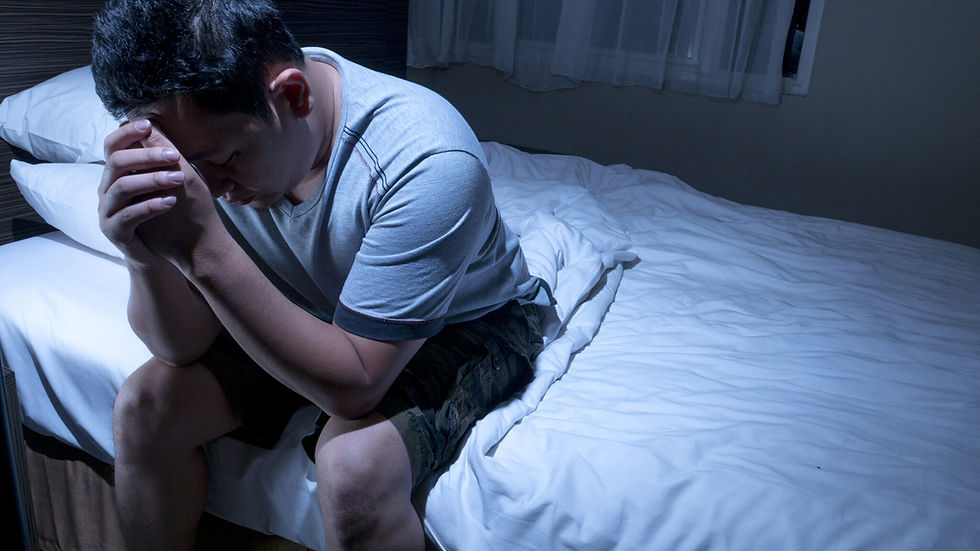
At Comprehensive Sleep Medicine Associates (CSMA), patients in Austin and Houston can access specialized care that addresses the complex relationship between PTSD, sleep disorders, and neurological health. Through advanced diagnostic testing, sleep evaluations, and collaborative treatment strategies, CSMA helps Tricare patients better understand the root causes of their symptoms and develop individualized care plans designed to improve quality of life.
Understanding PTSD Beyond Mental Health
PTSD is a condition that develops after experiencing or witnessing traumatic events. While PTSD is commonly associated with combat veterans, it can affect anyone who has experienced trauma, including first responders, accident survivors, healthcare workers, and civilians exposed to violence or abuse.
Symptoms often include:
Flashbacks or intrusive memories
Hypervigilance
Anxiety and panic attacks
Irritability or mood changes
Difficulty concentrating
Emotional numbness
Depression
Chronic fatigue
What many patients do not realize is that PTSD frequently impacts neurological function and sleep regulation. The brain remains in a heightened “fight or flight” state, causing disruptions in normal sleep architecture and nervous system recovery.
For many Tricare patients seeking Tricare PTSD treatment Austin TX or Tricare PTSD treatment Houston TX, sleep problems are among the first and most debilitating symptoms they experience.
The Connection Between PTSD and Sleep Disorders
Sleep and mental health are closely linked. PTSD can dramatically interfere with restorative sleep, while poor sleep can worsen PTSD symptoms over time.
Patients with PTSD commonly experience:
Nightmares or night terrors
Frequent awakenings
REM sleep disturbances
Sleep deprivation places additional stress on the brain and nervous system. Over time, this can contribute to memory problems, mood instability, reduced cognitive function, cardiovascular strain, and worsening anxiety or depression.
Many patients are surprised to learn that untreated sleep apnea or other sleep disorders may intensify PTSD symptoms. Repeated nighttime oxygen deprivation and fragmented sleep prevent the brain from properly regulating stress responses and emotional processing.
This is why comprehensive sleep evaluations are often an important component of PTSD-related neurological care.
Why Neurological Care Matters for PTSD Patients
PTSD is not simply a behavioral condition. Trauma can affect neurological pathways, autonomic nervous system regulation, and brain activity patterns.
Some PTSD patients may also experience:
Headaches or migraines
Dizziness
Cognitive fog
Memory problems
Difficulty focusing
Concussion-related symptoms
Chronic fatigue
Sensory sensitivity
Military personnel and veterans may have additional risk factors related to traumatic brain injuries (TBIs), blast exposure, or repeated head trauma.
At CSMA, neurological and sleep evaluations help identify whether underlying neurological dysfunction, sleep disorders, or other medical conditions may be contributing to ongoing symptoms.
This multidisciplinary approach is especially important for Tricare patients who may have struggled for years without receiving complete answers.
Diagnostic Testing and Sleep Evaluations for PTSD Patients
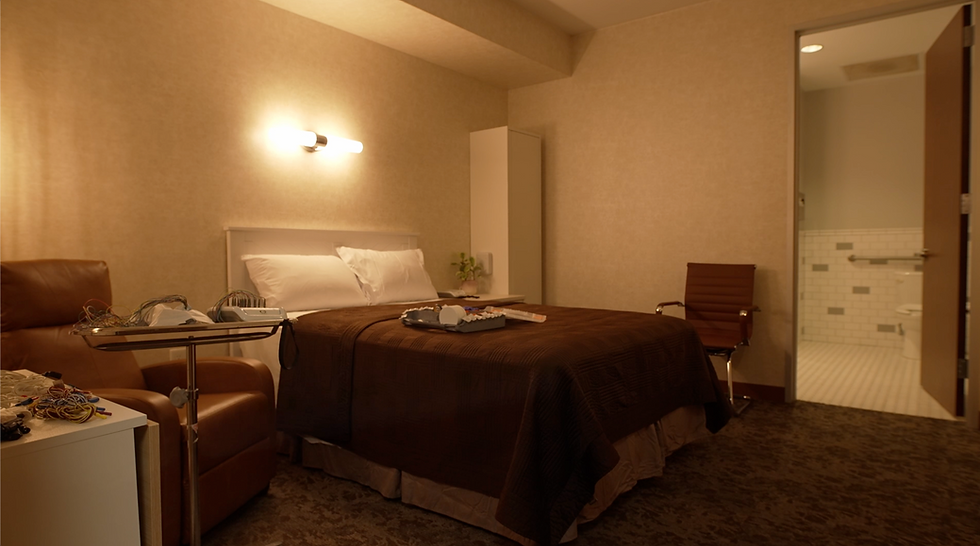
A comprehensive evaluation often begins with a detailed medical and sleep history. Depending on symptoms, providers may recommend diagnostic testing to better understand what is happening neurologically and physiologically during sleep.
Testing may include:
1) Sleep Studies
Sleep studies can help diagnose:
Obstructive sleep apnea
Central sleep apnea
REM behavior disorder
Periodic limb movement disorder
Insomnia-related disruptions
Identifying and treating sleep disorders may significantly improve daytime energy, emotional regulation, concentration, and overall quality of life.
2) EEG Testing
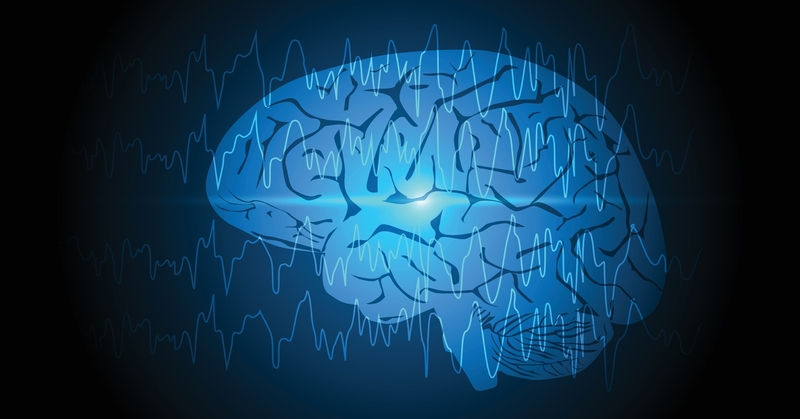
Electroencephalogram (EEG) testing evaluates brain wave activity and may help identify abnormal neurological patterns, seizure activity, or other brain-related concerns contributing to symptoms.
3) Neurological Evaluations
Neurological consultations can assess cognitive function, nervous system health, headaches, dizziness, concussion symptoms, and other neurological complications often associated with trauma exposure.
Treatment Options for Tricare PTSD Patients in Austin and Houston
There is no single treatment approach for PTSD because every patient’s experience and symptoms are unique. Effective care often involves a combination of therapies designed to address both neurological and sleep-related factors.
1) Sleep Apnea Treatment
If sleep apnea is identified, treatment may include:
Oral appliance therapy
Positional therapy
Lifestyle modifications
Improving nighttime breathing often leads to better sleep quality, reduced fatigue, and improved emotional stability.
2) Insomnia Management
Patients struggling with chronic insomnia may benefit from:
Cognitive behavioral therapy for insomnia (CBT-I)
Medication management when appropriate
Relaxation and nervous system regulation strategies
3) Neurological Care
Neurological treatment plans may address:
Cognitive dysfunction
Chronic headaches
Sensory issues
Memory and concentration difficulties
4) Coordinated Care with Mental Health Providers
PTSD treatment is often most effective when sleep specialists, neurologists, primary care providers, and mental health professionals work together collaboratively.
This integrated model helps ensure that patients receive comprehensive support rather than fragmented care.
Why Early Intervention Matters
Many individuals delay seeking treatment because they assume poor sleep, exhaustion, nightmares, or cognitive issues are simply something they must “live with.” Unfortunately, untreated PTSD and chronic sleep disruption can increase the risk of:
Cardiovascular disease
Hypertension
Depression
Anxiety disorders
Diabetes
Cognitive decline
Workplace impairment
Relationship difficulties
The earlier patients receive appropriate evaluation and treatment, the greater the opportunity to improve long-term outcomes.
For military families and veterans searching for Tricare PTSD treatment Austin TX or Tricare PTSD treatment Houston TX, seeking specialized care can be an important first step toward recovery and better health.
Specialized Sleep and Neurological Care at CSMA
Comprehensive Sleep Medicine Associates (CSMA) provides advanced sleep medicine and neurological care for patients throughout Austin, Houston, Sugar Land, and The Woodlands.
CSMA’s team understands the complex relationship between PTSD, sleep disorders, brain health, and overall wellness. By combining diagnostic expertise with compassionate patient-centered care, the clinic helps patients uncover contributing factors that may be affecting both mental and physical health.
For Tricare patients, having access to providers experienced in sleep medicine and neurological evaluation can make a meaningful difference in identifying the right treatment pathway.
If you or a loved one are experiencing chronic sleep issues, fatigue, nightmares, neurological symptoms, or PTSD-related concerns, scheduling a professional evaluation may help uncover answers and treatment options that improve daily life.
FAQs About PTSD, Sleep Disorders, and Tricare Care
Can PTSD cause sleep apnea?
Yes. PTSD itself does not directly cause sleep apnea, but research shows that PTSD and sleep apnea commonly occur together. Stress, hyperarousal, weight changes, medication effects, and disrupted sleep patterns may increase the likelihood of sleep-related breathing disorders.
What sleep problems are most common with PTSD?
Common PTSD-related sleep issues include insomnia, nightmares, fragmented sleep, sleep apnea, night terrors, REM sleep disturbances, and excessive daytime fatigue.
Why do PTSD patients often feel exhausted during the day?
PTSD can prevent the brain from reaching restorative sleep stages. Frequent awakenings, nightmares, hyper-vigilance, and sleep apnea may all contribute to chronic daytime exhaustion and cognitive fog.
Can neurological evaluations help PTSD patients?
Yes. Neurological evaluations may help identify underlying brain-related symptoms, cognitive dysfunction, concussion-related complications, headaches, or nervous system irregularities contributing to ongoing symptoms.
Does Tricare cover sleep evaluations and neurological testing?
Coverage varies depending on the patient’s specific Tricare plan and referral requirements. Patients should verify benefits and eligibility directly with Tricare and their healthcare provider.
When should someone seek professional help for PTSD-related sleep issues?
Patients should seek evaluation if symptoms interfere with daily functioning, concentration, emotional health, work performance, or overall quality of life. Persistent insomnia, nightmares, fatigue, or cognitive symptoms should not be ignored.
Schedule an Evaluation with CSMA
If you are searching for compassionate, comprehensive care for PTSD-related sleep or neurological symptoms, Comprehensive Sleep Medicine Associates (CSMA) offers advanced diagnostic testing and individualized treatment options for patients in Austin and Houston.

Contact CSMA today to schedule a sleep or neurological evaluation and learn more about available treatment options for Tricare patients.

Comments