
PTSD and Sleep Why Insomnia and Nightmares Need Attention

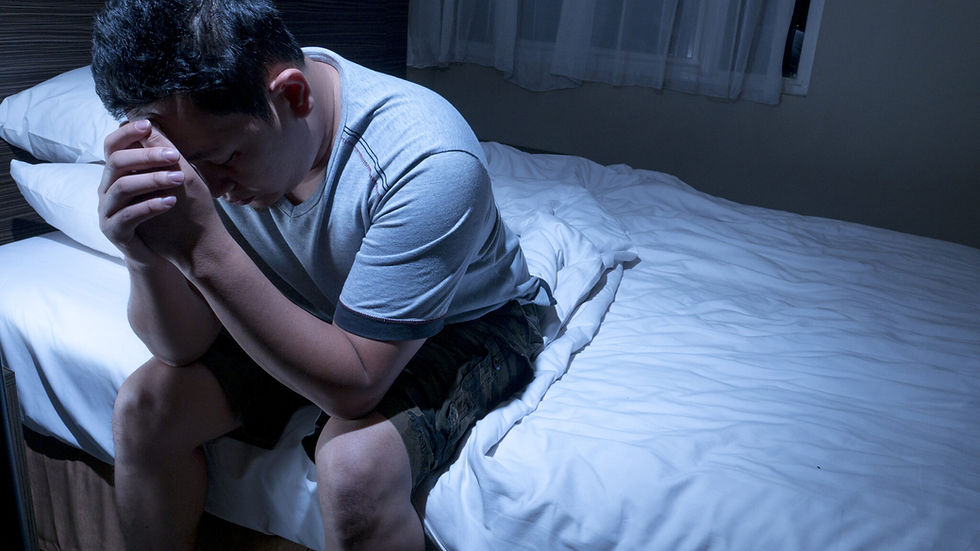
When the day finally quiets down, a person living with post-traumatic stress disorder (PTSD) may find that their mind and body are still braced for danger. Bedtime can bring racing thoughts, repeated checking, a sudden jolt at a small sound, or a nightmare that makes returning to sleep feel impossible. The next morning, fatigue and poor concentration can make ordinary responsibilities harder.

If this pattern sounds familiar, it is not a personal failure or a lack of effort. PTSD and sleep problems often overlap, and both deserve thoughtful care.
This article builds on CSMA’s original post, “When Trauma Follows You to Bed: Understanding the Connection Between PTSD and Sleep,” with an expanded look at when sleep symptoms may need their own evaluation.
How PTSD Can Disrupt Sleep
PTSD may develop after experiencing or witnessing a traumatic event. Symptoms can include intrusive memories, avoidance, changes in mood or beliefs, heightened alertness, and difficulty sleeping. At night, a nervous system that has learned to watch for danger may remain active even when the person is in a safe place. It can take longer to fall asleep, and ordinary noises or body sensations may lead to continual moments of waking up throughout the night.
Nightmares can create a second problem: causing you to worry about going to bed. Some dreams replay parts of a traumatic experience; others carry the same fear or helplessness in a different story. After waking, a person may have a fast heartbeat, sweating, or a strong sense of alarm. You may avoid sleep or stay up late to reduce the chance of another nightmare. That coping strategy can bring short-term relief, while the resulting sleep loss may worsen daytime fatigue and emotional strain.
Over time, the bed or bedroom can become associated with frustration and vigilance. You may start monitoring the clock, predicting a bad night, or feeling pressure to fall asleep immediately. This cycle can continue even when other PTSD symptoms are improving. And being told to “just relax” rarely addresses what is happening. A sleep clinician can help identify the pattern and discuss suitable options.
When Sleep Problems May Have More Than One Cause
It is easy to assume that every restless night is “just my PTSD.” But people with PTSD can also have an independent sleep disorder, and symptoms often overlap. Loud snoring, gasping, witnessed pauses in breathing, morning headaches, or persistent daytime sleepiness may point to a breathing-related sleep problem. Repeated leg movements (restless legs syndrome), unusual behaviors during sleep, or a sleep schedule that has shifted far later can also merit attention.
A sleep evaluation does not diagnose PTSD and cannot replace trauma-focused mental-health care. Its purpose is to understand sleep patterns and look for physiological sleep conditions that may be adding to the burden. Depending on symptoms and health history, a clinician may recommend an in-lab sleep study or a home sleep apnea test. The right test depends on the question being asked; not everyone needs testing.
For people searching for TRICARE PTSD treatment in Houston, TX, or Austin, TX, it helps to know what kind of support each provider offers. CSMA focuses on sleep medicine and evaluation of sleep disorders. Patients should continue care with a qualified therapist, psychiatrist, primary-care clinician, or military provider for PTSD itself. Insurance coverage, referrals, and authorization rules can vary, so confirm the details with TRICARE and the clinic.
What PTSD and Sleep Treatment May Include
Care starts with a conversation about what is happening: when the sleep problem began, what a typical night looks like, how often nightmares occur, which medications or substances are used, and how symptoms affect daytime life. A sleep diary can help capture bedtime, awakenings, wake time, naps, and how rested the person feels. If a partner has noticed snoring, gasping, or unusual movements, that information can be useful too.
For chronic insomnia, cognitive behavioral therapy for insomnia (CBT-I) is a structured, skills-based treatment that addresses behaviors and thoughts that can keep insomnia going. It may include a consistent wake time, stimulus-control strategies, adjusting time in bed under professional guidance, and working with unhelpful beliefs about sleep. PTSD-focused treatment and CBT-I can be coordinated; people do not always need to wait for every trauma symptom to resolve before discussing insomnia care.
Recurrent nightmares may also be addressed with a trained clinician. Imagery rehearsal therapy is one behavioral approach in which a person changes the story of a recurring dream while awake and practices the revised version. Whether it is appropriate depends on the person and their treatment plan. Medication may be considered in some cases, but the decision should account for the full health history, other medicines, and potential risks. Do not start, stop, or change a prescription or supplement without talking with the prescribing clinician.
Small routines can support treatment, though sleep habits alone do not cure PTSD or persistent insomnia.
A steady wake time, daylight and movement during the day, less caffeine late in the day, and a predictable wind-down routine may help. For someone who feels unsafe in silence or darkness, a rigid sleep-hygiene checklist may not fit. A mental-health professional can help shape a plan that feels manageable rather than adding pressure.
When to Seek Help for PTSD and Sleep Issues
Consider talking with a sleep healthcare professional when trouble sleeping happens repeatedly, nightmares interfere with rest, fatigue affects work or driving, or sleep remains poor despite ongoing PTSD care. Seek an evaluation sooner if there is loud snoring, choking or gasping, breathing pauses, unusual sleep behavior, or severe daytime sleepiness. Keep a list of symptoms and questions so the appointment can focus on what matters most to you.
If someone is in immediate danger or may harm themselves, call 911 or go to an emergency department. In the United States, call or text 988 for crisis support; veterans and service members can call 988 and press 1 or text 838255.

If sleep problems are affecting your daily life, contact CSMA to ask whether a sleep evaluation may help clarify what is contributing. Keep working with your mental-health clinician; sleep care can complement PTSD treatment.
Call 888-503-2762 or use CSMA’s online appointment option. Confirm TRICARE benefits and referral requirements with your plan before scheduling.
Frequently Asked Questions About PTSD and Sleep Insomnia
Can PTSD cause insomnia and nightmares?
Yes. Difficulty sleeping and distressing dreams are recognized PTSD symptoms. A clinician can help determine whether trauma-related symptoms, a separate sleep disorder, or both are affecting sleep.
Does a sleep study diagnose PTSD?
No. A sleep study records sleep-related signals to look for conditions such as sleep apnea or other sleep disorders. PTSD is evaluated by a qualified mental-health professional.
Can a sleep specialist replace my therapist or psychiatrist?
No. Sleep medicine can complement PTSD care by evaluating sleep disorders and related symptoms. Continue working with the professionals treating PTSD and coordinate care when possible.
Does CSMA accept TRICARE?
CSMA lists TRICARE among its accepted plans, but coverage, referral, and authorization requirements depend on the specific plan. Confirm current details with CSMA and TRICARE before scheduling.
Medical Disclaimer: This article is educational and does not provide medical or mental-health advice, diagnosis, or treatment.


Comments