
Sleep Apnea and Heart Health: What Austin Adults Should Know

When you think about protecting your heart, you probably think about blood pressure, cholesterol, exercise, and what is on your plate. But your nights, specifically your sleep health, deserve a place in that conversation, too.
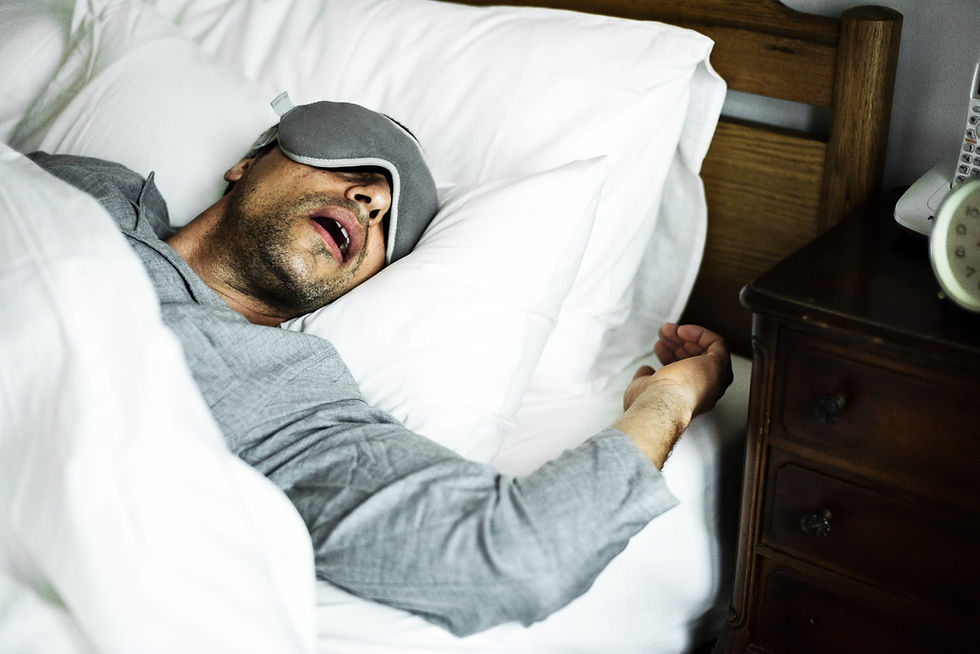
How long you sleep, how well you sleep, and whether you breathe normally overnight can all matter to your health. That does not mean every restless night is damaging your heart. It does mean that persistent sleep problems are worth discussing with a healthcare provider, especially if you already have a cardiovascular condition.
If you are looking for answers about sleep apnea in Austin, TX, start by connecting what happens at night with how you feel during the day. Snoring, gasping, and difficulty staying awake can be useful clues. So can the observation that you spend enough time in bed but rarely wake up feeling rested.
Why Does Sleep Belong in Your Heart Health Plan?
The American Heart Association includes healthy sleep in Life’s Essential 8, its framework for cardiovascular health. Most adults need seven to nine hours each night. Sleep sits alongside measures such as blood pressure, cholesterol, blood sugar, physical activity, and tobacco exposure.
That gives you a practical reason to mention sleep at a routine appointment. If your clinician asks about your blood pressure medication or exercise habits, add a sentence about your nights: “I wake up several times,” or “My partner says I stop breathing.”
Your sleep history does not replace the rest of your health history. It adds information that may otherwise be missed.
What Happens During Obstructive Sleep Apnea?
Obstructive sleep apnea, or OSA, involves repeated partial or complete blockage of the upper airway during sleep. Breathing disruptions can cause oxygen levels to drop, fragment sleep, and trigger changes in the nervous system that regulates automatic body functions.
Those repeated interruptions create physiological stress. The American Heart Association’s scientific statement summary explains why clinicians should consider sleep apnea in cardiovascular care, including screening patients with resistant or poorly controlled high blood pressure and certain cases of recurrent atrial fibrillation.
You may not remember these interruptions. A partner might notice snoring or pauses, while you mainly notice that mornings feel difficult. That gap between overnight observations and daytime experience is one reason it helps to discuss both.
How Does Sleep Apnea Relate to Cardiovascular Health?
Sleep is one of the foundations of overall health. When you don't get consistent, good, healthy restorative sleep, your body will start to show signs in other areas. One area in particular, is your heart health.
1) High blood pressure
Sleep apnea is linked to high blood pressure, including blood pressure that is difficult to control. The National Heart, Lung, and Blood Institute explains that low oxygen, disrupted sleep, and the repeated effort to restart breathing can affect organs and blood vessels.
If you are following your treatment plan but your blood pressure remains elevated, ask whether a sleep assessment belongs in the discussion. Continue taking prescribed medication and following your clinician’s advice while that question is being evaluated.
2) Atrial fibrillation and other rhythm concerns
Atrial fibrillation, often called AFib, is an irregular heart rhythm. Sleep-disordered breathing and other sleep disturbances have been linked to AFib. The American Heart Association’s guide to sleep disorders and AFib describes these connections and encourages patients to discuss sleep and cardiovascular risk with their care team.
If you already have AFib, tell your cardiologist about snoring, witnessed breathing pauses, or poor sleep. A sleep consultation may be relevant to your broader care plan. An irregular heartbeat should also receive its own medical evaluation; it should not simply be attributed to a suspected sleep problem.
3) Coronary artery disease, heart failure, and stroke
The American Heart Association’s sleep apnea and heart health overview describes links between OSA and higher rates of coronary artery disease, stroke, and heart failure risk.
These are reasons to take symptoms seriously, not reasons to assume a particular outcome. Having sleep apnea does not mean that you will inevitably have a heart attack or develop heart failure. Your individual risk depends on your overall medical history, and your healthcare providers can help you understand it.
Insomnia and Other Sleep Disturbances Can Also Impact Your Heart and Overall Health
Sleep apnea is not the only sleep issue relevant to heart health. Insomnia can involve difficulty falling asleep, staying asleep, or getting satisfying sleep. Research links insomnia and shortened or disrupted sleep with cardiovascular risk, although scientists are still investigating the full relationship.
The American Heart Association’s insomnia and heart health resource explains these findings. One occasional rough night is different from a persistent pattern that leaves you struggling to function.
If you are seeking help for sleep disturbances in Austin, TX, describe the pattern rather than trying to name the disorder yourself. Do you lie awake for hours? Wake repeatedly? Feel sleepy despite enough time in bed? Each experience gives your provider a different starting point.
For long-term insomnia, cognitive behavioral therapy for insomnia, or CBT-I, is usually recommended as the first treatment option. It addresses behaviors and thoughts that interfere with sleep. Learn more through NHLBI’s insomnia treatment guide.
Symptoms and Notes to Bring to Your Sleep Appointment
The NHLBI sleep apnea symptom guide identifies breathing pauses, frequent loud snoring, gasping, daytime sleepiness, fatigue, dry mouth, headaches, insomnia, and repeated nighttime urination as possible symptoms.
You do not need every symptom to raise a concern. Write down the ones you have noticed and what they mean in your everyday life.
For example, “I am tired” might mean you have little energy. It might mean you fall asleep during meetings. “I wake up a lot” might mean you lie awake worrying, or it might mean your partner hears you gasp before you settle back down.
If someone has observed your sleep, ask them to describe what they notice. Bring that information alongside your own experience. Symptoms guide the evaluation, but they cannot confirm sleep apnea by themselves.
What a Sleep Doctor in Austin, TX May Evaluate
A sleep appointment gives you time to discuss your sleep schedule, symptoms, medical history, and medications with your sleep doctor. Mention any diagnosed heart condition, previous stroke, or difficulty controlling blood pressure. Bring a medication and supplement list so the provider has a clear picture of what you take.
A sleep diary can also help. The NHLBI sleep apnea diagnosis guide recommends tracking sleep duration, sleep quality, and daytime sleepiness. A provider may recommend a sleep study to determine whether apnea is present and how severe it is.
Choosing the Right Type of Sleep Test with Your Sleep Provider
A home sleep apnea test may be suitable for some adults. An overnight laboratory study, called polysomnography, is appropriate in other situations. The test should be chosen for your clinical circumstances.
The American Academy of Sleep Medicine diagnostic testing guideline recommends laboratory testing rather than home testing for patients with significant cardiorespiratory disease, among other conditions. It also recommends polysomnography after a negative, inconclusive, or technically inadequate home test when evaluating suspected OSA.
Ask which test is recommended, what it measures, and how the results will be explained. You should leave knowing how follow-up will happen.
What Can Sleep Apnea Treatment Help With?
Sleep apnea treatment is selected according to your diagnosis and needs. Options may include positive airway pressure therapy, an oral appliance for appropriate patients, and recommended lifestyle changes. NHLBI’s sleep apnea treatment overview explains how these approaches help keep the airway open.
Keep expectations about heart protection realistic
Treating apnea can improve sleep-related symptoms. It is not a guarantee against future heart attacks or strokes. In the SAVE randomized clinical trial, adding CPAP to usual care did not reduce major cardiovascular events in the studied patients with established cardiovascular disease and moderate-to-severe OSA. CPAP did improve sleepiness, snoring, and quality of life; average use was 3.3 hours nightly.
That finding should not be interpreted as a reason to abandon prescribed treatment. It shows why heart care should continue alongside sleep care. Ask your providers what benefits they expect for you and how they will assess your progress.
Tell your provider when treatment is difficult
An uncomfortable mask, air leaks, or nasal symptoms can make PAP therapy harder to use. NHLBI’s guidance on living with sleep apnea recommends follow-up and discussing these problems with your provider. Changes to the mask or other equipment may help.
Describe the problem specifically: “The mask leaks when I turn over” gives your care team more to work with than “I hate the machine.” The details help them troubleshoot.
Everyday Habits that Support Sleep and Heart Health
Give sleep a realistic place in your schedule. If you routinely reserve only five hours for it, start by identifying what could make more time possible. Keep bedtime and wake time reasonably consistent, and make your bedroom cool, quiet, and dark.
NHLBI also recommends avoiding alcohol before bed, considering caffeine’s effect on sleep, and making time for regular physical activity. Its heart health and sleep guide offers practical suggestions.
Choose a manageable change you can sustain. Perhaps you can set a clearer end to evening work or move your last coffee earlier. Keep a note of whether the change helps.
Healthy routines support sleep, but persistent symptoms still deserve evaluation. Do not keep postponing an appointment while waiting for the perfect bedtime routine.
Find a Sleep Apnea Clinic in Austin, TX
If you are concerned about snoring, breathing interruptions, or ongoing sleep disturbances, contact Comprehensive Sleep Medicine Associates to request an evaluation. Tell the scheduling team what you are experiencing and mention any relevant heart condition.

CSMA’s Austin office has a clinic and state-of-the-art sleep lab. Call 512-691-7077 or contact CSMA online to request an appointment.
You do not need to arrive knowing whether you have sleep apnea. Start with the symptoms you have noticed and the questions you want answered.
Frequently Asked Questions About Sleep and Heart Health
Can sleep apnea affect my heart even if I do not feel very sleepy?
Daytime sleepiness is only one possible symptom. If you have breathing pauses or another concern, discuss it even if you feel reasonably alert. Your cardiovascular history is also relevant to whether evaluation is appropriate.
Does snoring always mean sleep apnea?
No. Snoring is a reason to discuss your sleep, especially when accompanied by gasping or witnessed pauses, but diagnosis requires appropriate evaluation and testing. See the AASM diagnostic testing guideline.
Should I ask about sleep apnea if my blood pressure is hard to control?
Yes. The AHA scientific statement summary recommends OSA screening for resistant or poorly controlled hypertension. Your provider can determine the next step.
Will treating sleep apnea prevent a heart attack?
It cannot guarantee prevention. Treatment benefits and cardiovascular outcomes vary, so continue your heart care plan and ask your providers what they expect treatment to accomplish. The SAVE trial illustrates why this distinction matters.
Can insomnia matter for heart health, too?
Yes. Research has linked insomnia with cardiovascular risk. Persistent difficulty sleeping deserves attention, particularly when it affects daily function. Read the AHA insomnia overview.
Is a home sleep apnea test always the best option?
No. Some medical histories require a more detailed laboratory study. Your sleep provider will consider your symptoms and health conditions when recommending testing.
Medical Disclaimer: This article is for educational purposes only and is not a substitute for professional medical advice, diagnosis, or treatment. Sleep problems and cardiovascular risks vary by individual. Consult a qualified healthcare provider about your symptoms and treatment options, and do not delay seeking care or change prescribed treatment based on this content. Treating a sleep disorder does not guarantee prevention of heart disease, heart attack, or stroke. If you believe you are experiencing a medical emergency, call 911 immediately.


Comments