
Breast Cancer and Sleep: Supporting Recovery, Heart Health, and Life After Treatment

Updated: 5 days ago
October brings pink ribbons, screening reminders, and conversations about breast cancer. It should also bring a conversation about something many women struggle with during treatment and afterward: sleep.
You may feel exhausted all day, then find yourself wide awake at bedtime. Or you may sleep for hours and still wake up feeling drained. When your calendar is already full of appointments, sleep can seem like one more problem to put off. However, sleep deserves a place in your overall care plan.
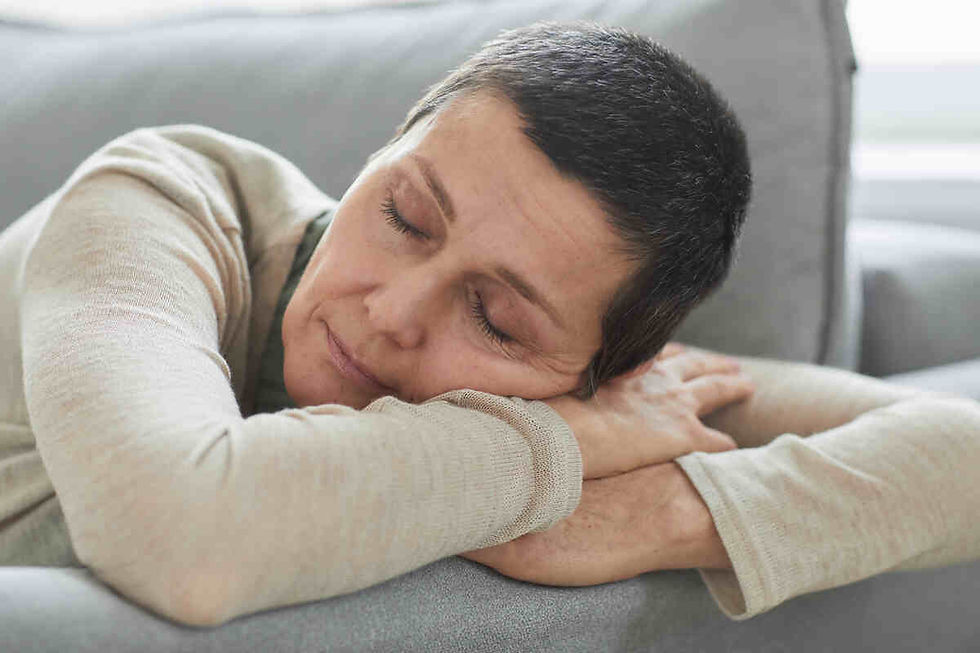
The American Cancer Society’s October 2026 update estimates that 321,910 women in the United States will be diagnosed with invasive breast cancer this year. About 1 in 8 U.S. women will develop breast cancer in their lifetime. Supporting those women means paying attention to daily quality of life, including rest, through treatment and survivorship.
Why sleep matters during breast cancer treatment and recovery
Sleep supports processes your body relies on every day. The National Cancer Institute explains that sleep helps regulate tissue repair, immune function, and blood sugar. Being better rested can also make it easier to remember instructions, make decisions, and cope with treatment side effects.
During breast cancer treatment, those everyday functions matter. You may be managing medications, recovering from surgery, or trying to find enough energy for a short walk or a conversation with family.
Better sleep can support your ability to manage those days. It is not a breast cancer treatment, and sleeping well has not been established as a way to prevent recurrence or guarantee recovery. A difficult night does not mean you have harmed your chances of getting better.
The goal is to identify problems that can be addressed and help you feel and function as well as possible.
Why breast cancer can make sleeping difficult
Cancer and its treatment can interfere with sleep in several ways. Pain, nausea, worry, and changes in routine can make bedtime difficult. Hormone therapy, corticosteroids, hot flashes, and night sweats may also disrupt rest, according to the National Cancer Institute’s sleep disorders guide.
You are far from alone. NCI reports that as many as half of people undergoing cancer treatment experience sleep-related problems. That figure covers people with cancer generally; it is not a breast cancer-specific estimate.
At your next appointment, be specific about what is happening. “I’m tired” and “I wake up five times a night” give your care team different information.
Consider describing when you fall asleep, how often you wake, what wakes you, and how you feel the next morning. Bring a list of medications and supplements, too. Your team can use that information to decide what needs attention first.
Breast cancer survivorship and heart health: an important connection
Finishing treatment is a milestone. It is also a time to discuss long-term health, including the heart.
The American Heart Association’s scientific statement on breast cancer and cardiovascular disease describes overlapping risk factors and the potential cardiovascular effects of breast cancer treatment. Certain therapies can affect heart health, making monitoring important during treatment and afterward.
A 2024 study published in the Journal of the National Cancer Institute followed 10,211 breast cancer survivors. Over a median follow-up of approximately 5.8 years, 14.67% developed cardiovascular disease, defined in the study as cardiomyopathy and/or heart failure, ischemic heart disease, or stroke.
Women who received Anthracyclines and/or Trastuzumab had a higher adjusted cardiovascular disease risk than women who received no chemotherapy. Elevated risk remained evident at least 10 years after diagnosis.
These findings do not mean every survivor will develop heart disease. They also do not predict an individual woman’s risk.
Treatment type, age, existing health conditions, and other factors matter. The study was observational and did not test whether improving sleep prevents treatment-related heart problems.
Ask your oncology team: “Based on my treatment history, what heart monitoring do I need?” Your team can advise whether care from a cardiologist or cardio-oncology specialist would be helpful.
Sleep apnea and heart health: another reason to investigate poor sleep
Obstructive sleep apnea occurs when the upper airway repeatedly becomes blocked during sleep. Breathing interruptions can reduce oxygen and disrupt rest. The National Heart, Lung, and Blood Institute warns that untreated sleep apnea increases the risk of heart attack, stroke, and other serious health problems.
If you have searched for “sleep apnea heart damage Houston TX,” the connection is worth discussing with a clinician. Sleep apnea can add another health concern to a survivor’s care plan, especially when cardiovascular risk already needs attention.
That does not mean sleep apnea caused a woman’s breast cancer or that treating it will reverse damage from cancer therapy. It means a potentially treatable breathing disorder should be evaluated on its own merits.
A sleep specialist can determine whether testing is appropriate. Depending on the diagnosis and individual circumstances, treatment may include positive airway pressure, such as CPAP, or a prescribed oral appliance.
The practical goal is to improve breathing during sleep and address the diagnosed disorder. Keep recommended heart monitoring in place, too.
Sleep apnea in women may look different
Loud snoring and gasping are familiar warning signs, but women may have less obvious symptoms. NHLBI’s guide to sleep apnea in women lists insomnia, tiredness, frequent awakenings, morning headaches, anxiety, and depression among symptoms women more often report. Risk can increase during and after menopause.
During cancer treatment, it can be tempting to attribute every symptom to treatment. That is a reason to describe your sleep carefully, rather than assume the cause.
Tell your healthcare team if you experience:
Snoring, witnessed breathing pauses, or waking while gasping.
Morning headaches or repeated nighttime awakenings.
Persistent insomnia or daytime sleepiness.
Sleep that rarely feels refreshing.
These symptoms do not establish a diagnosis. They give your clinician a starting point for evaluation.
Sleep supports a woman’s overall health
Sleep remains important before, during, and after breast cancer treatment. NHLBI explains that sleep supports brain function, metabolism, and immune health. During non-REM sleep, heart rate and blood pressure normally fall. Insufficient or frequently interrupted sleep is associated with higher risks of conditions including high blood pressure, coronary heart disease, and stroke.
Most adults should aim for 7–9 hours of sleep each night, according to NHLBI’s sleep duration guidance. People who are ill may need more. Discuss your needs with your care team instead of treating a number as another task you must get exactly right.
You deserve help if sleep is affecting your days, regardless of how many hours you spend in bed.
Sleep habits Houston TX: Practical changes during treatment
Good sleep habits can help, but persistent insomnia deserves more than a list of bedtime tips. Start with changes that fit your treatment schedule and physical needs:
Speak up about symptoms. Ask for help with pain or other side effects that interrupt sleep.
Make bedtime quieter. Choose a comfortable, dark room and reduce evening screen use.
Ask about insomnia therapy. Cognitive behavioral therapy for insomnia, or CBT-I, addresses thoughts and behaviors that can keep sleep difficulties going.
Review sleep medicines with your team. The right approach depends on your symptoms, other medications, and health conditions.
These approaches are described in NCI’s guidance on managing sleep problems. Do not change prescribed treatment or add a sleep aid or supplement without checking with your healthcare team.
If you are looking for sleep education in Houston, TX, bring your questions to an appointment. “Could my medication schedule affect sleep?” and “Should I be evaluated for sleep apnea?” are useful places to begin.
Help for sleep disorders in Houston, TX, and Austin, TX
You do not have to wait until cancer treatment ends to discuss your sleep. For women seeking care for sleep disorders in Houston, TX, or sleep disorders in Austin, TX, Comprehensive Sleep Medicine Associates provides sleep medicine care at locations in Houston’s Medical Center, Austin, Sugar Land, and The Woodlands. CSMA is directed by triple-board-certified physician Jerald H. Simmons, MD and supported through our team of PAs and board-certified Internal Medicine physician and fellowship-trained Sleep Medicine specialist, Huzaifa Wasanwala, MD.
If your search begins with “best sleep doctor Houston TX” or “top sleep doctor Austin TX,” consider what you need from that visit: attention to your symptoms, a review of your medical and treatment history, and clear explanations of the next steps.
Tell your sleep clinician about your breast cancer diagnosis, treatments, current medications, and any heart concerns. Ask how sleep recommendations should fit with your oncology care.

This Breast Cancer Awareness Month, make room for a conversation about rest. Trouble sleeping deserves attention, whether you are newly diagnosed, in treatment, or years into survivorship. Ready to talk about your sleep? Book your appointment online or call 888-503-2762.
Frequently Asked Questions About Breast Cancer and Sleep
How does sleep support breast cancer treatment and recovery?
Sleep supports immune function, tissue repair, memory, and emotional well-being. Getting adequate rest may help you manage daily activities and cope with treatment side effects. However, sleep does not replace cancer treatment, and better sleep has not been established as a way to prevent breast cancer recurrence.
Why am I exhausted during the day but unable to sleep at night?
Fatigue and difficulty sleeping can occur together. Pain, stress, medication effects, hot flashes, and night sweats may interfere with sleep during breast cancer treatment. Tell your oncology team when the problem started, what wakes you, and how it affects your day so they can help investigate the cause.
How much sleep should I get during breast cancer treatment?
Most adults need 7–9 hours of sleep each night, although people who are ill may need more. Your needs may change during treatment. Talk with your care team if you are sleeping much more or less than usual, or if you rarely feel refreshed despite spending enough time asleep.
Why should breast cancer survivors pay attention to heart health?
Certain breast cancer treatments, including Anthracyclines and Trastuzumab, can increase the risk of cardiovascular problems. A survivor’s individual risk depends on treatment history and other health factors. Ask your oncology team what heart monitoring you need during treatment and in the years afterward.
Could my tiredness or insomnia be a sign of sleep apnea?
Possibly. Women with sleep apnea may experience fatigue, insomnia, morning headaches, or frequent awakenings, sometimes without noticeable snoring. These symptoms can have several causes, so an evaluation is important. Tell your clinician about witnessed breathing pauses, gasping during sleep, or persistent daytime sleepiness.
Can treating sleep apnea protect my heart after breast cancer treatment?
Untreated sleep apnea increases the risk of serious cardiovascular problems. Treating a diagnosed sleep disorder is an important part of your overall care, but it should not be presented as a way to reverse cancer treatment-related heart damage or guarantee prevention of heart disease. Continue the heart monitoring recommended by your oncology or cardiology team.
What can help if sleep problems continue?
Tell your healthcare team about symptoms that interrupt sleep and ask whether cognitive behavioral therapy for insomnia, medication review, or a sleep evaluation would help. Check with your team before starting a sleep aid or supplement. You can also contact Comprehensive Sleep Medicine Associates to discuss sleep concerns and appointment options.
Medical Disclaimer
This article is for educational purposes only and is not a substitute for medical advice, diagnosis, or treatment. Talk with your oncology team and other healthcare providers about sleep concerns and before changing medications or using sleep aids or supplements. Better sleep can support your well-being during treatment and recovery, but it does not treat breast cancer or guarantee that cancer will not return. Call 911 for chest pain, severe shortness of breath, fainting, or signs of a stroke.


Comments