
Is Screen Time Affecting Your Child's Sleep?

As parents, we've all experienced it. Your child insists they're not tired after watching "just one more episode" or playing one more level of their favorite game. Then bedtime becomes a struggle, they toss and turn, and everyone wakes up exhausted the next morning.
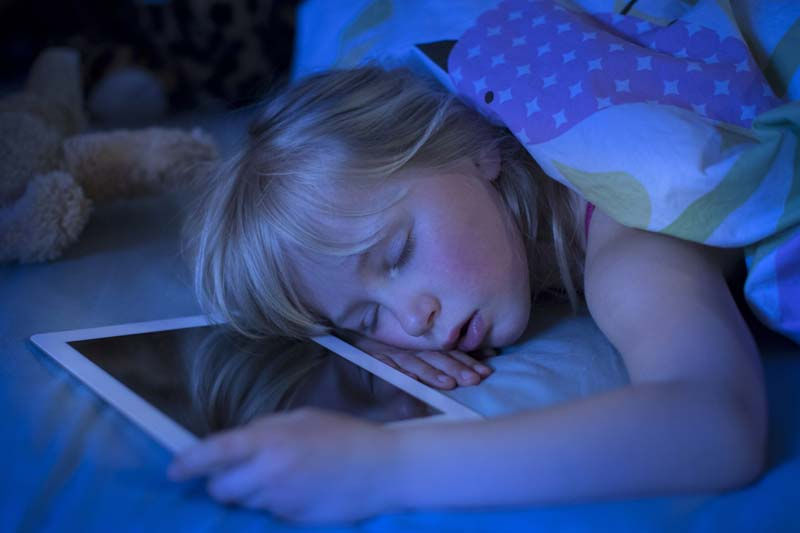
While tablets, phones, televisions, and gaming systems have become part of everyday life, many parents don't realize just how much screen time and sleep are connected. If your child has trouble falling asleep, wakes frequently during the night, or seems tired during the day, their evening screen habits may be playing a bigger role than you think.
At CSMA, we help families identify the causes behind kids sleep issues and develop solutions that lead to healthier, more restful nights. Let's explore how screens impact sleep and what you can do to help your child establish healthy bedtime habits.
Why Sleep Is So Important for Children
Sleep isn't simply a time for children to recharge. It's one of the most important parts of healthy growth and development.
While children sleep, their brains process information learned throughout the day, strengthen memory, regulate emotions, and support healthy physical growth. Quality sleep also strengthens the immune system, improves attention, and helps children perform better at school.
When your child's sleep is consistently interrupted or shortened, it can lead to:
Difficulty concentrating in school
Mood swings and irritability
Increased anxiety
Behavioral challenges
Poor academic performance
Reduced athletic performance
Weakened immune function
Because sleep impacts nearly every aspect of development, protecting it should be a priority for every family.
How Screen Time Affects Sleep
Many electronic devices emit blue light, which interferes with your child's natural sleep cycle.
Normally, as evening approaches, the brain releases melatonin, a hormone that signals it's time to sleep. Blue light from televisions, smartphones, tablets, computers, and gaming systems suppresses melatonin production, making it harder for children to feel sleepy.
In addition to the light itself, the content children consume can also stimulate the brain. Fast-paced videos, exciting games, and social media interactions keep the mind alert when it should be winding down.
This combination can delay bedtime, reduce overall sleep time, and decrease sleep quality.
Signs Screen Time May Be Affecting Your Child
Every child is different, but common signs include:
Taking more than 30 minutes to fall asleep
Frequently asking for extra screen time before bed
Waking during the night
Difficulty waking in the morning
Trouble focusing at school
Increased irritability
Hyperactivity despite appearing tired
Many parents assume these are simply normal childhood behaviors, but they can actually be symptoms of underlying kids sleep issues.
How Much Screen Time Is Too Much?
The answer depends on your child's age, but timing matters just as much as total screen time. Sleep specialists generally recommend avoiding screens for at least one hour before bedtime. For some children, especially those already struggling with sleep, two hours may be even better.
Instead of focusing only on limiting total daily screen use, pay close attention to evening habits. Ask yourself:
Does my child use a tablet in bed?
Do they watch television until bedtime?
Are video games part of the nighttime routine?
Is the phone charging beside the bed?
If the answer is yes to any of these, making small changes could significantly improve your child's sleep.
Creating Better Children Sleep Hygiene
One of the best ways to improve sleep is by practicing good children sleep hygiene. Sleep hygiene simply means creating healthy habits that prepare the brain and body for restful sleep.
Some simple strategies include:
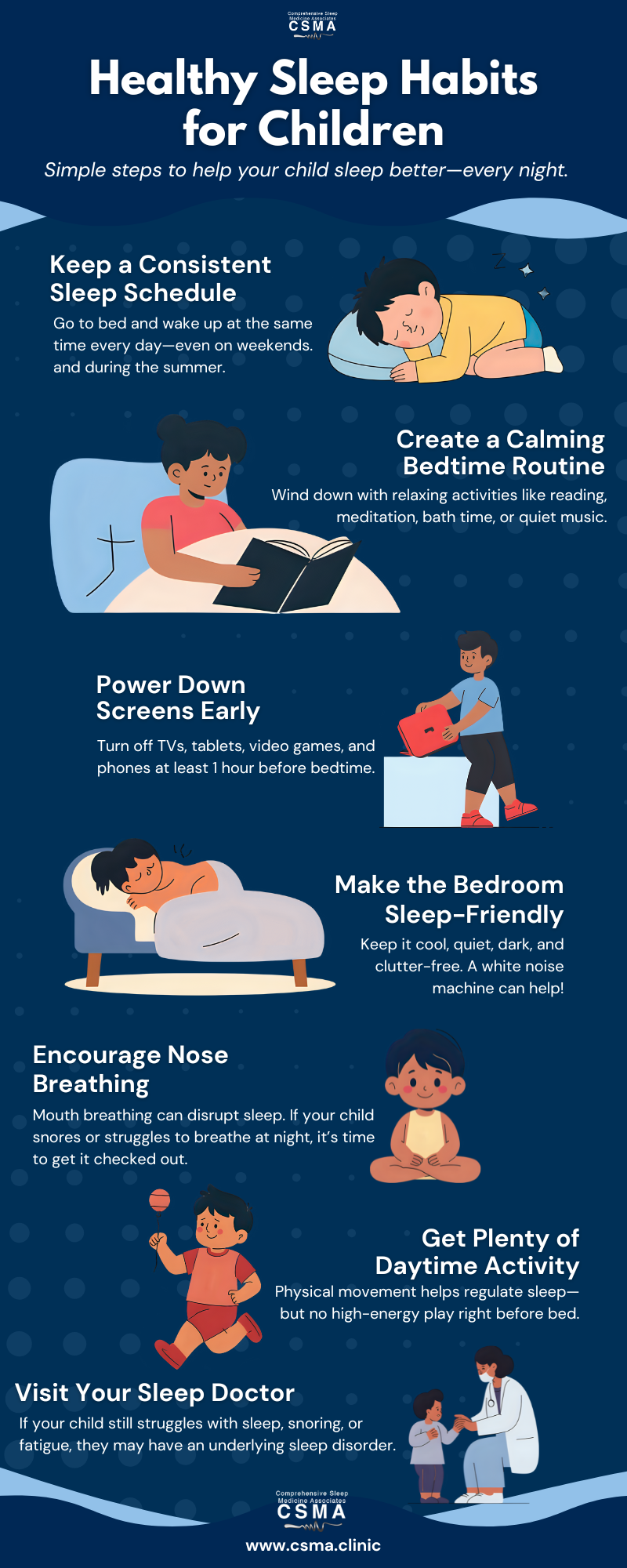
1) Create a Consistent Bedtime
Children thrive on routine. Going to bed and waking up at the same time—even on weekends—helps regulate the body's internal clock.
2) Establish a Screen-Free Wind-Down Routine
Replace electronic devices with calming activities such as:
Reading together
Coloring
Gentle stretching
Listening to quiet music
Taking a warm bath
Talking about the day
These activities naturally prepare the brain for sleep.
3) Keep Bedrooms Screen-Free
Whenever possible, keep televisions, tablets, phones, and gaming systems out of your child's bedroom.
Bedrooms should become associated with rest rather than entertainment.
4) Dim the Lights
Lower lighting throughout the home during the hour before bedtime to encourage natural melatonin
production.
5) Encourage Physical Activity
Children who are physically active during the day often fall asleep more easily at night. Aim for regular outdoor play while avoiding vigorous exercise immediately before bedtime.
When Sleep Problems Continue
Sometimes reducing screen time and sleep disruptions isn't enough. Persistent sleep problems may be caused by an underlying sleep disorder that requires evaluation by a medical professional.
Some warning signs include:
Pauses in breathing during sleep
Restless sleep
Night terrors
Frequent nightmares
Bedwetting after previous dryness
Difficulty staying awake in school
These symptoms should never be ignored.
When Should You See a Top Sleep Doctor?
If your child continues having sleep difficulties despite improving bedtime habits, it may be time to consult a top sleep doctor.
A sleep specialist can evaluate whether your child may have conditions such as:
Pediatric sleep apnea
Circadian rhythm disorders
Other pediatric sleep disorders
The earlier these conditions are diagnosed, the sooner children can receive treatment and begin sleeping—and feeling—better.
At CSMA, our team works with families to identify the underlying causes of sleep problems and develop individualized treatment plans that improve both sleep quality and overall health.
Small Changes Can Make a Big Difference
Parents often feel overwhelmed trying to balance technology with healthy habits. The good news is that you don't have to eliminate screens completely.
Simple adjustments—like creating a consistent bedtime routine, limiting evening screen use, and practicing good children sleep hygiene—can dramatically improve your child's sleep over time.
Even reducing screen use by one hour before bed may help your child fall asleep faster, stay asleep longer, and wake feeling more refreshed.
Healthy sleep supports learning, emotional well-being, physical development, and overall quality of life. It's one of the greatest gifts parents can give their children.
Frequently Asked Questions: Child's Sleep Issues and Screen Time
Can screen time really cause sleep problems?
Yes. Blue light from electronic devices suppresses melatonin production, making it harder for children to fall asleep. Stimulating content can also keep the brain alert long after the screen is turned off.
How long before bed should my child stop using screens?
Most sleep specialists recommend stopping screen use at least one hour before bedtime. Children experiencing significant sleep problems may benefit from avoiding screens for two hours before sleep.
Are televisions better than tablets before bed?
Not necessarily. While tablets are often held closer to the eyes and may produce a stronger effect, televisions can still interfere with healthy sleep when watched immediately before bedtime.
What are examples of good children sleep hygiene?
Good sleep hygiene includes maintaining a consistent bedtime, avoiding screens before bed, creating a relaxing bedtime routine, keeping bedrooms cool and dark, and limiting caffeine and sugary foods in the evening.
When should I take my child to a sleep specialist?
If your child snores loudly, frequently wakes during the night, struggles to fall asleep despite good bedtime habits, experiences excessive daytime sleepiness, or continues having ongoing kids sleep issues, it's time to schedule an evaluation with a sleep specialist.
Help Your Child's Sleep Issue: Schedule an Evaluation with CSMA
If your child's sleep struggles continue despite healthy bedtime routines, the team at CSMA is here to help. Our specialists diagnose and treat a wide range of pediatric sleep disorders, helping children get the restorative sleep they need to grow, learn, and thrive.

Contact CSMA today to schedule an appointment and discover how better sleep can improve your child's health and quality of life.


Comments