
Mouth Taping for Snoring: Could It Hide a Sleep Breathing Problem?

Updated: 4 days ago
It sounds almost too simple: If you snore with your mouth open, tape it shut and breathe through your nose instead. That idea has spread across social media, where mouth taping is often presented as a shortcut to quieter nights and better sleep. But snoring is a symptom, not a diagnosis. Before trying to silence it, you need to know why it’s happening.
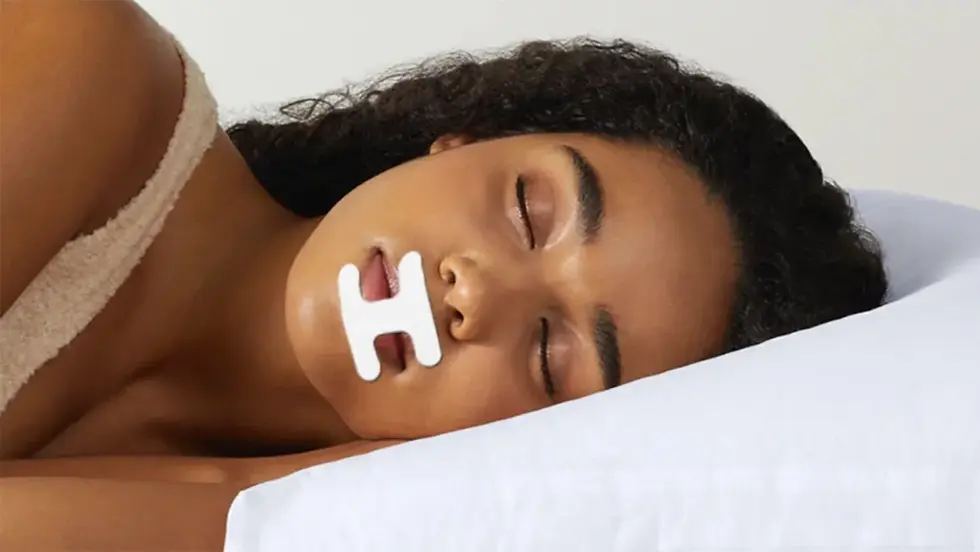
For some people, the question is whether nasal breathing feels more comfortable. For others, the real concern is a narrowed airway, obstructive sleep apnea, or upper airway resistance syndrome (UARS). Tape cannot tell you which one you have and it should not take the place of a sleep evaluation. Research on mouth taping during sleep remains limited, with mixed findings from a small body of studies.
Why do people try mouth taping?
The idea is to encourage breathing through the nose during sleep. People may hope it will reduce snoring, dry mouth, or the feeling that they slept with their mouth open all night.
Those are understandable goals. Waking up with a dry mouth is unpleasant, and a partner may be eager for a quieter bedroom. But the reason you breathe through your mouth matters. Nasal congestion, allergies, or another breathing issue can make nasal breathing difficult. Snoring can also happen when tissues farther back in the airway vibrate as air moves through a narrowed passage.
Putting tape over your lips does not identify or correct every possible source of that narrowing.
Does mouth taping stop snoring?
There is not enough strong evidence to recommend mouth taping as a general treatment for snoring or sleep apnea. A review of the published research found a small number of studies and some reported improvements in selected groups, but the evidence does not establish that the practice is appropriate or effective for everyone.
Even if your snoring becomes quieter, that alone does not prove your breathing is healthy throughout the night.
Sleep apnea involves repeated breathing disruptions during sleep. UARS can involve increased effort to breathe and repeated sleep interruptions, sometimes without the dramatic oxygen drops people expect from sleep apnea. CSMA evaluates both conditions.
When snoring deserves a closer look
Consider speaking with a sleep specialist if you snore and also:
Wake up gasping or choking
Have been told you pause your breathing during sleep
Wake with headaches or a dry mouth
Feel tired despite spending enough time in bed
Have trouble concentrating during the day
Wake repeatedly without knowing why
Struggle with sleepiness while driving or working
You don't need to have every symptom on that list. Some people with sleep disordered breathing do not recognize their nighttime symptoms until a partner mentions them. Others first notice fatigue or unrefreshing sleep.
If you have been asking, “Do I have sleep apnea?” an assessment can do more than a home experiment. A clinician can review your symptoms and determine whether sleep testing is appropriate.
What if a previous test said you don’t have sleep apnea?
A negative test does not mean persistent symptoms should be ignored. Different sleep tests collect different information, and the right next step depends on your history and the type of test you had.
CSMA notes that UARS can cause disrupted sleep even when breathing does not fully stop. That's why our team evaluates the broader picture when symptoms continue.
That don't mean everyone with snoring has UARS. It means ongoing fatigue, restless sleep, or morning headaches deserve a thoughtful review rather than another round of guessing.
A better first step than following a sleep trend
If snoring is new, worsening, or paired with daytime symptoms, tell a clinician what you have noticed. It helps to bring specific details:
How often you snore
Has anyone has observed pauses or gasping
What wakes you most often
How do you feel the next day
Mention nasal congestion and any previous sleep test, too.
A sleep specialist can then decide whether your symptoms point toward sleep apnea, UARS, another sleep disorder, or a different cause. The treatment conversation should follow the diagnosis—not the latest bedtime hack.
Ready to find out what is behind your snoring?
Comprehensive Sleep Medicine Associates evaluates snoring and sleep breathing concerns, including sleep apnea and UARS, for patients in the Houston and Austin areas. Schedule a sleep evaluation with CSMA and bring your questions. Finding the cause is the first step toward a plan that fits you.

Frequently Asked Questions About Mouth Taping
Is mouth taping a treatment for sleep apnea?
No. Mouth taping should not replace an evaluation or a prescribed sleep apnea treatment. If you suspect sleep apnea, ask a qualified clinician about testing and treatment options.
Can I have sleep apnea if I only snore sometimes?
Yes, snoring patterns vary. Snoring alone cannot confirm or rule out sleep apnea. Your other symptoms and, when appropriate, a sleep test help clarify what is happening.
What is the difference between sleep apnea and UARS?
Both can disrupt sleep through breathing problems. UARS may involve increased breathing effort and repeated awakenings without the obvious breathing pauses or oxygen drops often associated with obstructive sleep apnea. A sleep specialist can interpret your symptoms and testing in context.
Should I seek help if I’m sleepy while driving?
Yes. Do not drive when drowsy, and seek prompt medical guidance if sleepiness is affecting your safety.
Medical Disclaimer
This article is for educational purposes only and is not a substitute for medical advice, diagnosis, or treatment. Mouth taping has not been established as a treatment for snoring, obstructive sleep apnea, or upper airway resistance syndrome (UARS). Do not use it in place of prescribed treatment. If you have nasal congestion, difficulty breathing through your nose, loud or frequent snoring, gasping during sleep, or persistent daytime fatigue, speak with a qualified healthcare professional before trying mouth taping. A sleep evaluation can help identify the cause of your symptoms and guide appropriate care.


Comments