
What Is a Split Night Sleep Study?

If you've been experiencing loud snoring, excessive daytime fatigue, morning headaches, or pauses in breathing while sleeping, your healthcare provider may recommend a sleep study to determine if you have a sleep disorder such as obstructive sleep apnea.
One of the most efficient diagnostic tools available is a split night sleep study, which combines both diagnosis and treatment evaluation into a single overnight test.

For many patients, a split night sleep study can provide answers faster and help begin treatment sooner. Understanding what happens during the study can ease concerns and help you feel prepared for the process.
What Is a Split Night Sleep Study?
A split night sleep study is a specialized overnight sleep test that combines two important functions into one appointment:
The first portion of the night is used to diagnose a sleep disorder, most commonly obstructive sleep apnea.
The second portion of the night is used to evaluate treatment, typically Continuous Positive Airway Pressure (CPAP) therapy, if sleep apnea is detected during the initial monitoring period.
Instead of requiring separate nights for diagnosis and treatment testing, a split night study allows both to occur during the same overnight visit when appropriate.
This approach can save time, accelerate treatment, and help patients begin their journey toward better sleep more quickly.
What Happens During a Split Sleep Study?
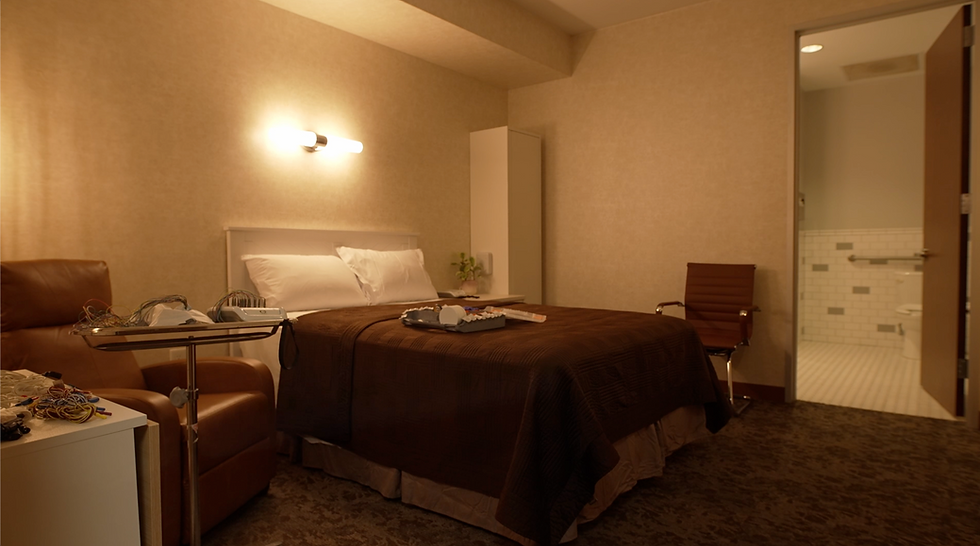
Many patients wonder exactly what to expect when they arrive for a sleep study. During a split sleep study, you'll spend the night in a comfortable sleep center in Houston or Austin TX while trained sleep technologists monitor your sleep patterns.
Throughout the night, sensors are placed on your body to measure:
Eye movements
Heart rate
Breathing patterns
Oxygen levels
Muscle activity
Leg movements
Sleep stages
During the first portion of the night, the sleep team observes and records your natural sleep patterns.
If the results indicate significant obstructive sleep apnea or another qualifying sleep-related breathing disorder, the second half of the night transitions to CPAP therapy testing. A technologist will fit you with a CPAP mask and adjust pressure settings while you sleep to determine what level of therapy best supports normal breathing.
This combined approach provides valuable information that can help physicians create an effective treatment plan without requiring additional overnight testing.
What Is Considered a Split Night?
A study is considered a "split night" when the overnight sleep test is divided into two distinct phases:
Diagnostic Phase:
The first part of the night focuses on identifying sleep-related breathing events such as:
Apneas (complete pauses in breathing)
Hypopneas (partial reductions in airflow)
Oxygen desaturation events
Sleep disruptions caused by breathing difficulties
Treatment Phase:
Once enough diagnostic information has been collected and specific clinical criteria are met, the study transitions into treatment testing using CPAP therapy.
Not every patient will qualify for a split night study. If there is not enough evidence of sleep apnea during the first portion of the night, the entire study may remain diagnostic only.
Your sleep physician will determine whether a split night study is appropriate based on your symptoms, medical history, and test results.
How Long Is a Split Night Study?
A split night sleep study typically lasts the same amount of time as a traditional overnight sleep study.
Most patients arrive at the sleep center in the evening and remain overnight for approximately 6 to 8 hours of monitored sleep.
The timeline generally includes:
Evening check-in
Sensor placement and setup
Diagnostic monitoring during the first portion of sleep
CPAP evaluation during the second portion (if indicated)
Morning wake-up and discharge
Although the study is divided into two phases, patients generally sleep throughout the night while data is collected. Following the study, a sleep specialist reviews the results and discusses the findings and treatment recommendations.
Why Might a Doctor Recommend a Split Night Sleep Study?
A physician may recommend a split night sleep study when symptoms strongly suggest moderate to severe obstructive sleep apnea.
Common symptoms include:
Loud chronic snoring
Witnessed pauses in breathing during sleep
Morning headaches
Difficulty concentrating
Memory problems
Waking up gasping or choking
Increased risk factors for sleep apnea
Because untreated sleep apnea can contribute to cardiovascular disease, stroke, diabetes, and cognitive impairment, timely diagnosis and treatment are important.
A split night study allows treatment to begin sooner, helping reduce the risks associated with untreated sleep disorders.
Do They Watch You Sleep During a Sleep Study?
This is one of the most common questions patients ask. The answer is yes—but not in the way many people imagine.
During a sleep study, sleep technologists monitor data collected from specialized equipment and may observe patients through secure video monitoring systems. This allows them to ensure equipment remains functioning properly and respond if assistance is needed during the night.
The purpose is strictly medical and focused on collecting accurate diagnostic information. Sleep technologists are highly trained professionals who prioritize patient comfort, privacy, and safety throughout the study.
What Shouldn't You Do Before a Sleep Study?
Preparing properly can help ensure the most accurate results from your sleep study.
Before your appointment, you should generally avoid:
Excessive Caffeine: Coffee, energy drinks, and other caffeinated beverages can affect your ability to fall asleep naturally.
Alcohol: Alcohol can alter sleep architecture and impact breathing patterns during sleep.
Napping: Avoiding naps on the day of your study may help you sleep more naturally during the overnight evaluation.
Changing Your Normal Routine: Whenever possible, follow your usual sleep schedule leading up to the study.
Hair Products or Heavy Lotions: Hair gels, oils, sprays, and certain skin products can interfere with sensor placement.
Your sleep center will provide detailed instructions before your appointment so you know exactly how to prepare.
What are the Benefits of a Split Night Sleep Study?
There are several advantages to this type of sleep study:
Faster Diagnosis: Patients can receive both diagnostic and treatment information in one night.
Earlier Treatment: CPAP therapy evaluation can begin immediately if sleep apnea is identified.
Fewer Appointments: Combining diagnosis and treatment often eliminates the need for a second overnight study.
Improved Patient Convenience: Patients save time while receiving comprehensive care.
For many individuals with suspected obstructive sleep apnea, a split night sleep study offers an efficient path toward diagnosis and treatment.
Schedule Your Sleep Study with CSMA in Houston or Austin
If you are experiencing symptoms such as loud snoring, daytime fatigue, morning headaches, or interrupted sleep, a professional sleep study may provide the answers you need.
At CSMA, our experienced sleep specialists use advanced diagnostic testing to identify sleep disorders and develop personalized treatment plans that improve sleep quality and overall health.

Schedule your sleep study with CSMA today and take the first step toward better sleep, improved energy, and better long-term health.
Frequently Asked Questions About Split Night Sleep Studies
What happens during a split sleep study?
A split sleep study begins with diagnostic monitoring to identify sleep disorders such as obstructive sleep apnea. If significant sleep apnea is detected, the second half of the night is used to test CPAP therapy and determine the most effective treatment settings.
What is considered a split night?
A split night study is an overnight sleep study divided into two phases: diagnosis during the first portion of the night and CPAP treatment evaluation during the second portion if sleep apnea is identified.
How long is a split night study?
Most split night studies last approximately 6 to 8 hours overnight, similar to a traditional sleep study.
What shouldn't you do before a sleep study?
Avoid excessive caffeine, alcohol, daytime naps, and heavy hair or skin products before your sleep study. Follow any additional preparation instructions provided by your sleep center.
Do they watch you sleep during a sleep study?
Sleep technologists monitor sleep data throughout the night and may use secure video monitoring to ensure accurate testing and patient safety. The monitoring is conducted solely for medical purposes.
Is a split night sleep study better than a regular sleep study?
For patients with suspected moderate to severe obstructive sleep apnea, a split night sleep study can be beneficial because it combines diagnosis and treatment evaluation into a single overnight visit, potentially reducing the time needed to begin therapy.


Comments