
Fatigue vs. Sleepiness: Why Am I Still Tired After Sleeping

You made time for bed. You put your phone down. You even skipped the late-night episode you wanted to watch. Yet by midmorning, you are staring at your screen and wondering how you can possibly feel this tired. And sadly, this feeling of fatigue and daytime sleepiness has become your constant.
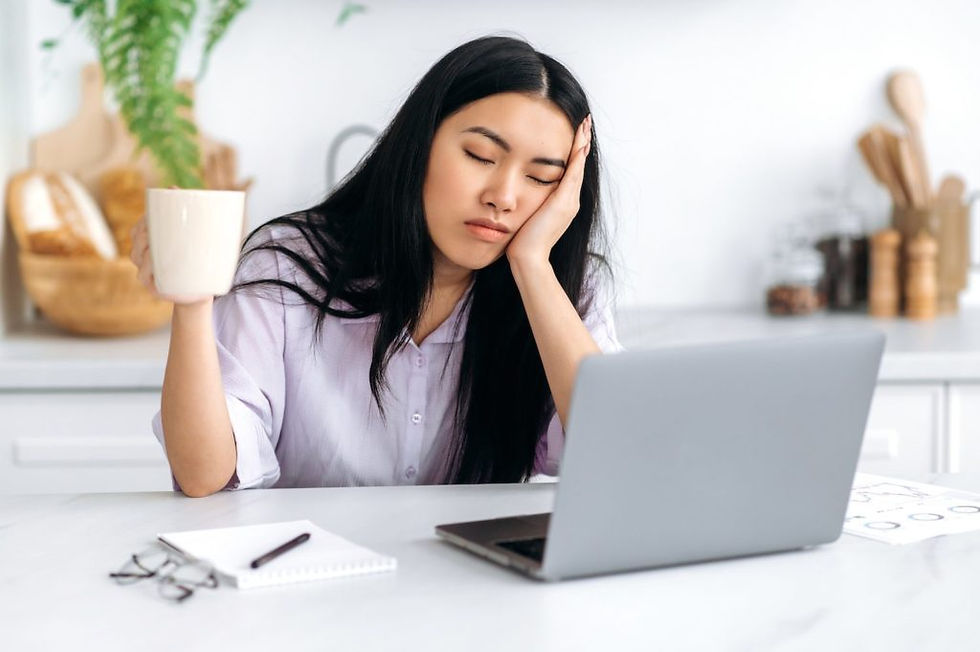
Are you running out of energy, or are you struggling to stay awake? Before you decide you just need another coffee, consider what “tired” means for you and explore the ways it's impacting your daily life and routine. You might even find it helpful to write down some specific examples.
The general terms of fatigue and sleepiness can overlap, but describing your experience clearly to your healthcare provider can help guide the next step. For people looking for answers about excessive daytime sleepiness in Houston, TX, a sleep evaluation can help determine whether sleep habits, a sleep disorder, or another health concern deserves closer attention.
Fatigue and Sleepiness Feel Different
Sleepiness means you feel an urge to sleep. Your eyelids get heavy during a meeting. You drift off while reading. You sit down after lunch and have trouble keeping your eyes open, even when you want to stay awake.
Fatigue means you feel depleted. Answering emails takes more effort than usual. Making dinner sounds exhausting. You might want to lie down, but once you do, you do not necessarily fall asleep.
The four warning signs of fatigue are:
Difficulty concentrating or brain fog: Trouble keeping attention, making simple mistakes, or feeling like your thoughts are slow and cloudy.
Heavy eyelids and frequent yawning: Physical signs that your eyes are struggling to stay open or focused, often accompanied by frequent blinking or rubbing your eyes.
Slowed reflexes and reaction times: Delayed responses when moving, speaking, or reacting to events around you (which can be especially dangerous while driving or operating machinery).
Irritability and mood changes: Feeling easily frustrated, impatient, or emotionally drained over minor things (constantly operating with the feeling of being on "your last nerve" all day).
Picture two people finishing the same workday. One keeps nodding off on the couch. The other feels worn out but stays awake through the whole movie. Both may say, “I’m exhausted,” but their detailed descriptions can give a clinician different clues.
You can also experience both, which is why it's important to provide details and examples when speaking with your sleep doctor. Try telling your provider what actually happens rather than relying on the word “tired.” “I fall asleep during afternoon meetings” is more useful than “I have no energy.” So is “I feel drained all day, but I cannot nap.”

Why Does a Full Night in Bed Still Leave Me Feeling Sleepy?
The time between turning out the lights and getting up is not always the time you spend asleep. Long stretches awake, repeated interruptions, and inconsistent schedules can make a seemingly adequate night less restorative than you expect.
Most adults need about seven to nine hours of sleep each night. Sleep quality and timing matter, too. Someone who works rotating shifts may have difficulty getting consistent sleep even when there is enough time set aside for it.
If you regularly give yourself enough opportunity to sleep and still struggle to stay awake, bring that pattern to a healthcare provider. A longer bedtime alone may not answer the question.
Do I Have Sleep Apnea? Signs Houston, TX, Adults Should Discuss
If you have been searching “Do I have sleep apnea,” you may already have noticed something concerning. Perhaps your partner hears pauses in your breathing. Perhaps you wake up with a headache or find yourself fighting sleep during the workday.
While these sleep apnea symptoms deserve a conversation, they do not confirm a diagnosis on their own.
Signs of possible sleep apnea you'll want to discuss with your Houston or Austin Sleep Doctor include frequent loud snoring, gasping during sleep, witnessed breathing pauses, daytime sleepiness, dry mouth, headaches, and repeated nighttime bathroom trips. Sleep apnea can also show up as fatigue or insomnia, particularly in women.
Do not wait until your symptoms match every item on a checklist. Write down the concerns you have, including anything someone else has observed while you sleep.
How Does Obstructive Sleep Apnea Interrupts Sleep?
Obstructive sleep apnea occurs when the upper airway repeatedly becomes blocked during sleep. These breathing interruptions can disrupt sleep and leave you feeling unrefreshed. You may be unaware of what is happening overnight.
For someone seeking evaluation for obstructive sleep apnea in Houston, TX, the useful starting point is a conversation about symptoms and medical history. Your clinician can then determine what testing is appropriate.
Sleep Apnea is Only One Possible Explanation
Daytime sleepiness can have several causes. Narcolepsy, restless legs syndrome, some medicines, alcohol, and certain mental health conditions can be associated with excessive sleepiness. Another condition, idiopathic hypersomnia, can involve long sleep periods and difficulty feeling refreshed after waking.
This is why an appointment should go beyond asking whether you snore. Tell your provider when sleepiness happens, whether naps help, and how the problem affects your routine. Mention trouble falling asleep, uncomfortable sensations in your legs, and any changes in medication.
When researching sleep disorders in Houston, TX, look for an evaluation that considers your whole sleep history. The goal is to understand your symptoms well enough to choose the right next step.
What if I Feel Exhausted But Can't Fall Asleep?
Fatigue has a broad range of possible causes, including anemia, thyroid disease, chronic pain, infections, depression, anxiety, medication effects, and sleep disorders. It is a symptom rather than a diagnosis. Persistent fatigue warrants medical attention, especially when it interferes with ordinary activities.
Your primary care provider can help evaluate causes outside sleep medicine and determine whether an examination or laboratory testing is needed. A sleep specialist may be part of that evaluation when sleep symptoms are also present.
Avoid assuming that ongoing exhaustion is simply the price of a busy life. Equally, avoid assuming that every energy problem comes from sleep apnea. A careful description of your symptoms helps your care team decide where to look.
Keeping a Record that Makes Your Appointment More Productive
It can be surprisingly hard to describe the last two weeks of sleep from memory. A simple sleep diary can help you and your provider see patterns. NHLBI recommends tracking how long and how well you sleep, along with daytime sleepiness.
Keep the record easy enough that you will actually use it. Each morning, note your bedtime, approximate time to fall asleep, awakenings, and final wake time. During the day, jot down naps and moments when you struggled to stay awake.
Add context in your own words: “Dozed off while reading at 2 p.m.” “Felt exhausted after grocery shopping but did not feel sleepy.” “Partner noticed gasping.” Those details make the experience more concrete.
Bring a medication and supplement list to your appointment as well. Also, if someone has observed your sleep, ask what they noticed. You do not need a perfectly organized spreadsheet to have a useful appointment; a few honest notes will do.
What Does a Sleep Evaluation Involve?
A provider will review symptoms, risk factors, and medical history. Depending on the findings, a sleep study may be recommended. Testing helps identify sleep apnea and assess its severity.
Two Main Types of Sleep Studies: Home Testing and Overnight Sleep Lab
A home sleep apnea test can be appropriate for certain adults with suspected obstructive sleep apnea. However, an overnight laboratory sleep study, called polysomnography, provides a more detailed assessment. The choice depends on your clinical situation; home testing is not a general test for every sleep disorder.
If a home sleep apnea test is negative, inconclusive, or technically inadequate, American Academy of Sleep Medicine guidance recommends polysomnography to evaluate for obstructive sleep apnea. A negative home result should therefore be discussed with your clinician rather than treated as the end of the conversation.
Ask your Houston Sleep Doctor what the test is intended to answer and what will happen afterward. Knowing the follow-up plan can make the process feel less uncertain.
Treatment Depends on the Cause
There is no single treatment for everyone who feels sleepy or fatigued. If obstructive sleep apnea is diagnosed, options may include positive airway pressure therapy, such as CPAP, an oral appliance for appropriate patients, and recommended lifestyle changes. Your provider will discuss which approach fits your condition.
Other diagnoses need different plans. Discuss medication concerns with the prescriber rather than stopping a medicine yourself.
Follow-up matters. Tell your provider whether your symptoms are improving and whether the treatment is workable in everyday life. If you still feel sleepy, say so. That information helps guide further care.
When Does Sleepiness Become a Safety Concern?
The short answer is if it's chronic, it's a health concern. However, there are other safety concerns you need to consider as well. Do not drive or operate dangerous equipment when you are struggling to stay awake. If drowsiness starts while driving, stop in a safe location and arrange another way to travel. Sleep deficiency can impair reactions and cause brief, involuntary episodes of sleep called microsleeps.
Tell your healthcare provider promptly if you have fallen asleep behind the wheel or had a near miss. Include that detail when requesting an appointment.
Get Help for Persistent Tiredness and Fatigue at CSMA
You do not have to arrive with a diagnosis. Start with what you know: how you feel, when it happens, and what it is making harder to do.
Comprehensive Sleep Medicine Associates serves patients through offices in the Houston Medical Center, Sugar Land, The Woodlands, and Austin. If you are concerned about daytime sleepiness or a possible sleep disorder, contact CSMA to request an evaluation.

Call 888-503-2762 or reach out via our Contact Form to request an appointment.
Frequently Asked Questions About Fatigue and Daytime Sleepiness
Can I have fatigue and sleepiness at the same time?
Yes. You may feel low on energy and also have difficulty staying awake. Tell your provider about both experiences, using examples from your day rather than trying to choose just one label.
Can sleep apnea cause fatigue without obvious daytime sleepiness?
Yes. Fatigue is a recognized symptom of sleep apnea. Mention it alongside any snoring, breathing changes, headaches, or trouble sleeping so your provider can assess the full picture.
Does snoring mean I have obstructive sleep apnea?
Snoring is a symptom worth discussing, but it does not establish a diagnosis. A comprehensive evaluation and appropriate sleep testing are used to diagnose obstructive sleep apnea.
Why do I still feel tired after eight hours in bed?
You may have spent less time asleep than you think, or your sleep may have been interrupted. Fatigue can also have medical causes unrelated to sleep. Keep a record of your nights and daytime symptoms, then discuss persistent concerns with your provider.
Will I automatically need a sleep study?
Your provider will decide based on your symptoms and evaluation. Ask which possibilities are being considered and how testing would help answer those questions.
What should I do if a home sleep apnea test is negative but I still feel sleepy?
Follow up with your clinician. AASM guidance recommends an overnight laboratory study after a negative, inconclusive, or technically inadequate home test when evaluating suspected obstructive sleep apnea.
Can better sleep habits solve excessive daytime sleepiness?
Consistent sleep habits may help, but they may not resolve an underlying disorder. Seek an evaluation if you repeatedly fall asleep during the day or sleepiness interferes with your life.
How can I seek care for excessive daytime sleepiness in Houston, TX or Austin, TX?
Contact CSMA at 888-503-2762 or through its contact page to request an evaluation. Bring your sleep notes, medication list, and any observations from someone who has seen you sleep.


Comments