
Youth Sports and Concussions: Warning Signs Every Parent Should Know
- CSMA Team

- Jul 13
- 6 min read
Every season, millions of children and teens participate in organized sports. Whether it's football, soccer, basketball, cheerleading, baseball, lacrosse, or hockey, youth athletics provide incredible opportunities for teamwork, confidence, and healthy physical activity. Unfortunately, they also come with the risk of injury—including concussions.

Many parents assume a concussion only happens after a hard hit to the head or when a child loses consciousness. The truth is, most concussions don't involve a loss of consciousness, and symptoms can appear immediately or develop hours—even days—after an injury.
Recognizing the warning signs early can make a significant difference in your child's recovery. Prompt evaluation and proper treatment help reduce the risk of prolonged symptoms while allowing young athletes to safely return to school, sports, and everyday activities.
At Comprehensive Sleep Medicine Associates (CSMA), our specialists evaluate and treat concussions while also recognizing an often-overlooked factor in recovery: healthy sleep.
What Is a Concussion?
A concussion is a mild traumatic brain injury (mTBI) caused by a blow, bump, or jolt that causes the brain to move rapidly inside the skull. This movement temporarily affects normal brain function.
A concussion doesn't require a direct hit to the head. A hard collision, sudden fall, or whiplash-type motion can also cause the brain to shift enough to produce symptoms.
Young athletes are especially vulnerable because their brains are still developing. Returning to sports too soon can increase the risk of additional injury and significantly prolong recovery.
Youth Sports With Higher Concussion Risks
While concussions can occur during almost any activity, they are more common in:
Football
Soccer
Basketball
Cheerleading
Hockey
Wrestling
Baseball and Softball
Lacrosse
Gymnastics
Cycling and Skateboarding
Even recreational play at school or on the playground can result in a concussion.
Warning Signs Every Parent Should Know About Concussions
Some concussion symptoms are obvious, while others are subtle. Children may also struggle to explain exactly how they feel. Watch carefully for the following symptoms after any head injury.
1) Physical Symptoms
Your child may experience:
Headache
Dizziness
Nausea or vomiting
Balance problems
Blurred or double vision
Sensitivity to light
Sensitivity to noise
Fatigue
Feeling "foggy"
Ringing in the ears
These symptoms may worsen with physical activity or mental concentration.
2) Cognitive Symptoms
Concussions often affect thinking and memory. Look for:
Difficulty concentrating
Confusion
Forgetfulness
Slowed thinking
Trouble following conversations
Difficulty completing homework
Feeling mentally "slowed down"
Teachers are often among the first people to notice these changes after a child returns to school.
3) Emotional and Behavioral Changes
Parents frequently notice personality changes before physical symptoms improve. Your child may become:
Irritable
More emotional than usual
Easily frustrated
Anxious
Sad
Less interested in favorite activities
These behavioral changes are common and should never be dismissed as simply "being dramatic."
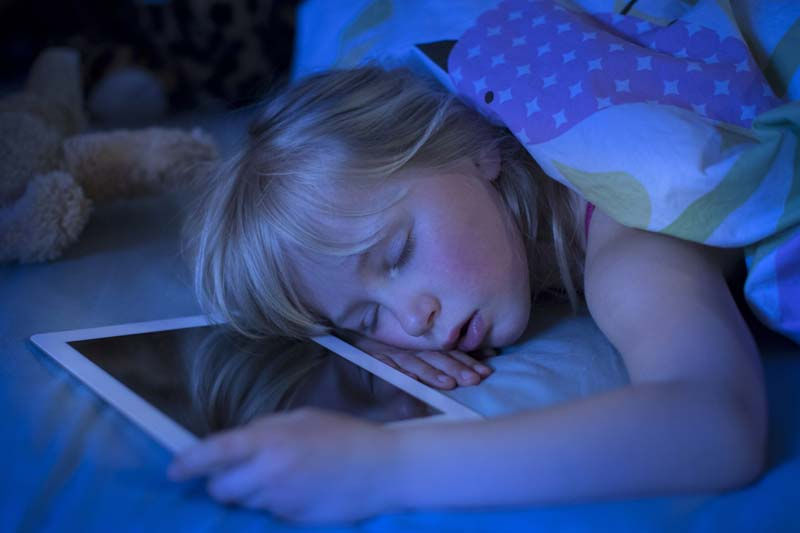
Sleep Problems Are One of the Most Common Symptoms of Concussions in Children
Many parents don't realize that concussion recovery and sleep are closely connected.
Following a concussion, children often experience:
Trouble falling asleep
Sleeping much more than usual
Sleeping less than usual
Frequent nighttime awakenings
Daytime fatigue
Poor sleep quality
Sleep is when the brain performs much of its repair and recovery. When sleep becomes disrupted, symptoms like headaches, memory problems, mood changes, and difficulty concentrating may last longer.
This is one reason why concussion specialists often ask detailed questions about a child's sleep habits during evaluation.
Improving sleep quality is frequently an important part of the overall recovery plan.
When Should You Seek Medical Care for a Concussion?
Every suspected concussion deserves medical evaluation. Contact a healthcare provider if your child experiences symptoms after a head injury—even if those symptoms seem mild.
Seek emergency medical care immediately if your child develops:
Loss of consciousness
Repeated vomiting
Severe or worsening headache
One pupil larger than the other
Weakness or numbness
Difficulty walking
Slurred speech
Seizures
Increasing confusion
Difficulty waking up
These symptoms may indicate a more serious brain injury that requires immediate treatment.
Why Early Evaluation Matters with Concussions
One of the biggest mistakes families make is assuming their child simply needs to "sleep it off." While rest is important, today's concussion guidelines emphasize careful medical evaluation and a structured recovery plan.
An experienced concussion specialist can:
Perform a neurological examination
Evaluate balance and coordination
Assess memory and cognitive function
Monitor symptoms over time
Recommend safe return-to-school strategies
Determine when it's appropriate to return to sports
Proper evaluation also helps identify other conditions that may mimic or accompany a concussion.

When Is EEG Testing Recommended?
Parents sometimes ask whether brain imaging or additional neurological testing is necessary. While routine imaging like CT scans isn't needed for most uncomplicated concussions, there are situations where EEG testing Austin TX or EEG testing Sugar Land TX may be recommended.
An electroencephalogram (EEG) measures the brain's electrical activity. Your physician may recommend an EEG if a child experiences:
Seizure-like episodes
Loss of awareness
Unexplained staring spells
Persistent neurological symptoms
Events that raise concern for seizure activity after a head injury
EEG testing does not diagnose a concussion itself. Instead, it helps physicians evaluate whether abnormal brain electrical activity may be contributing to ongoing symptoms or whether another neurological condition is present.
CSMA provides comprehensive neurological evaluations and advanced diagnostic testing when appropriate, ensuring families receive answers based on each child's unique situation.
Supporting Your Child During Concussion Recovery
Parents play an important role in helping children recover successfully. Some helpful strategies include:
1) Prioritize Sleep
Maintain a consistent bedtime and wake time.
Reduce screen time before bed and create a quiet, comfortable sleep environment.
Healthy sleep supports brain healing.
2) Encourage Gradual Return to Activity
Children shouldn't return to sports simply because they "feel better."
Recovery should follow medical guidance and gradually increase physical and cognitive activity without worsening symptoms.
3) Communicate With School
Many children benefit from temporary classroom accommodations, including:
Reduced homework
Extra time for assignments
Frequent breaks
Modified testing
Reduced screen exposure
Most schools are familiar with concussion recovery plans and can help support your child.
4) Monitor Symptoms
Keep track of headaches, sleep changes, dizziness, mood, and concentration problems.
Share this information with your child's healthcare provider during follow-up visits.
Why Concussion Prevention Still Matters
While not every concussion can be prevented, parents can help reduce risk by encouraging:
Properly fitted helmets
Appropriate sports equipment
Good sportsmanship
Safe tackling techniques
Strong neck conditioning
Reporting symptoms honestly
Never playing through a suspected concussion
Perhaps the most important lesson young athletes can learn is that reporting symptoms is a sign of strength—not weakness.

Expert Concussion Care for Growing Athletes
Every child's brain is different, and every concussion deserves individualized care. At Comprehensive Sleep Medicine Associates, our experienced providers understand the complex relationship between brain health, neurological function, and sleep. From concussion evaluations to advanced neurological testing when needed, our team works with families to support safe recovery and long-term wellness.
Whether you're seeking concussion clinics Austin TX, concussion clinics Houston TX, or need specialized youth concussion treatment, we're here to help your child return safely to the activities they love.
Frequently Asked Questions About Concussions in Kids
How do I know if my child's head injury is a concussion?
If your child develops headaches, dizziness, confusion, nausea, balance problems, memory issues, or unusual fatigue after a blow to the head or body, they should be evaluated by a healthcare professional.
Can my child sleep after a concussion?
Yes. Current medical guidelines no longer recommend keeping children awake after a concussion if they have already been evaluated and no emergency warning signs are present. However, you should follow your provider's instructions and seek immediate care if symptoms worsen.
How long does concussion recovery take?
Many children recover within two to four weeks, although some experience symptoms for longer. Early evaluation and following medical recommendations can help support recovery.
Does every concussion require an EEG?
No. EEG testing is not routinely used to diagnose concussions. However, it may be recommended if seizure-like activity or other neurological concerns develop during recovery.
Why is sleep so important after a concussion?
Healthy sleep allows the brain to recover more effectively. Poor sleep can worsen headaches, memory problems, fatigue, and concentration difficulties, making recovery take longer.
When can my child return to sports?
Children should only return after being cleared by a qualified healthcare provider and completing a gradual return-to-play protocol without symptoms.
Schedule Your Child's Concussion Evaluation
If your child has experienced a head injury during sports or you're concerned about lingering concussion symptoms, don't wait for them to worsen. Early evaluation can help support a safer, faster recovery.
The specialists at Comprehensive Sleep Medicine Associates provide comprehensive concussion evaluations, neurological assessments, and advanced EEG testing when appropriate. Our team is committed to helping young athletes recover safely and confidently.

Schedule your child's concussion evaluation or EEG appointment today and give them the expert care they deserve.


Comments