
Concussions and Females: Why Symptoms May Hit Harder and Recovery Can Take Longer

Updated: 5 days ago
Concussions do not play favorites, but they may not affect everyone in quite the same way. Research involving athletes has repeatedly found that females may sustain concussions at higher rates than males in comparable sports. Some studies also suggest that females report more symptoms or experience symptoms for longer. That does not mean every girl or woman will have a difficult recovery, nor does it mean males are less vulnerable to serious injury. It does mean that sex-related differences deserve more attention when a concussion is evaluated and treated.
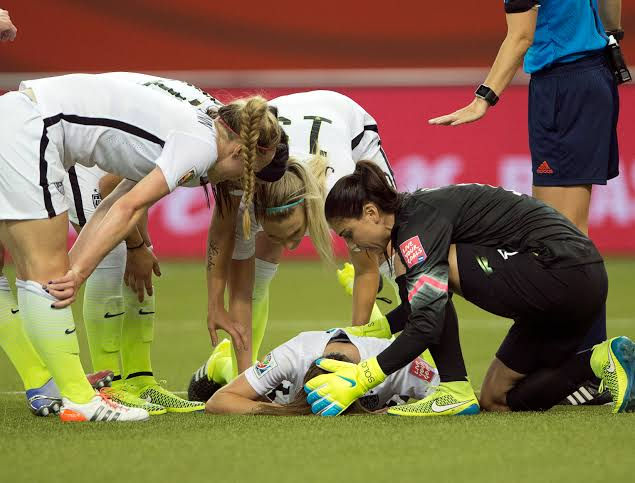
This matters far beyond the playing field. A concussion can happen after a fall, car accident, workplace injury, recreational mishap, or blow to the body that makes the head move suddenly. Knowing how symptoms may present, and taking them seriously from the beginning, can help women, girls, parents, coaches, and healthcare providers make safer decisions.
What Is a Concussion?
A concussion is a mild traumatic brain injury caused by a bump, blow, jolt, or rapid movement of the head or body. The force causes the brain to move within the skull, temporarily changing the way it functions.
Despite the word “mild,” a concussion is still a brain injury. A person does not have to lose consciousness, and routine imaging may appear normal because a concussion often affects brain function rather than creating a visible structural injury.
Symptoms vary from one person to another and may include:
Headache or pressure in the head
Dizziness or balance problems
Nausea
Sensitivity to light or sound
Blurred vision
Fatigue or low energy
Brain fog or feeling slowed down
Trouble concentrating
Memory problems
Irritability, sadness, anxiety, or other mood changes
Difficulty falling asleep, staying asleep, or feeling rested
Symptoms may appear immediately, but some become more noticeable hours or days later.
Are Concussions More Common in Females?
In several sports played under similar rules, female athletes have shown higher reported concussion rates than male athletes. A 2023 scoping review of 58 studies found higher rates among female athletes in comparable high school and collegiate sports, particularly soccer. Other research has found greater symptom reporting or longer time away from sports among females.
There is an important caveat: the science is still developing. Not every study finds that females take longer to recover, and concussion research has historically focused heavily on male athletes. A 2024 NCAA study, for example, found broadly similar recovery trajectories for most clinical measures even though female athletes carried a greater symptom burden across time points.
The clearest takeaway is not that every female will recover more slowly. It is that girls and women may face different risks and symptom patterns, and their care should be individualized rather than based on a one-size-fits-all timeline.
Why Might Females Experience Concussions Differently?
Researchers are studying several possible explanations. No single factor tells the whole story, and the cause is likely a combination of biological, physical, social, and reporting differences.
1) Neck strength and head movement
On average, females may have less neck strength and a lower head-to-neck mass than males. During certain impacts, that may allow greater head acceleration. Strength is only one variable, however, and it does not predict how any individual person will respond to an injury.
2) Hormones and the menstrual cycle
Scientists are exploring whether fluctuations in estrogen and progesterone influence the brain’s response to injury or the symptoms that follow. The relationship is complex, and current evidence is not strong enough to create a universal hormone-based treatment plan. Menstrual history may still be relevant information to share with a treating provider.
3) Differences in symptom patterns
Females may be more likely to report headaches, dizziness, nausea, fatigue, difficulty concentrating, or sensitivity to light and sound after a concussion. They may also experience vestibular or ocular symptoms, which affect balance, eye movement, and the ability to tolerate busy environments or screens.
4) Reporting and recognition
Reported rates may partly reflect differences in how symptoms are recognized or disclosed. At the same time, female athletes have historically received less attention in sports-injury research and may not always have equal access to immediate athletic training support. Better reporting is a good thing: playing through a suspected concussion creates unnecessary risk.
The Overlooked Role of Sleep in Concussion Recovery
Sleep and brain recovery are closely connected. After a concussion, some patients have trouble falling asleep or staying asleep. Others sleep much longer than usual yet still wake feeling exhausted. Headaches, pain, anxiety, medication effects, changes in daily routine, and disruption to the sleep-wake cycle can all contribute.
These post-concussion sleep problems can overlap with other symptoms. Poor-quality sleep may make headaches feel worse, reduce concentration, increase irritability, and intensify fatigue. It can also complicate memory loss post-concussion, making it harder to tell whether forgetfulness is coming directly from the injury, inadequate sleep, or both.
This is why concussion recovery and sleep should be evaluated together, especially when symptoms linger. Simply spending more time in bed does not guarantee restorative sleep. A person may have insomnia, sleep apnea, excessive daytime sleepiness, or another sleep disorder that needs attention as part of the larger recovery plan.
What a Thoughtful Recovery Plan May Include
Modern concussion care is not built around weeks of complete isolation in a dark room. A healthcare provider may recommend a brief period of relative rest followed by a gradual, symptom-guided return to everyday activities. The right plan depends on the patient’s age, symptoms, medical history, school or job demands, and response to activity.
A personalized plan may address:
A gradual return to school, work, exercise, and sports
Headache, dizziness, vision, or balance symptoms
Sleep schedule and sleep quality
Screen use and sensory triggers
Mood changes, anxiety, or depression
Hydration, nutrition, and appropriate physical activity
Temporary academic or workplace accommodations
Referral for vestibular, vision, physical, or other targeted therapy when appropriate
Female patients should feel comfortable discussing menstrual changes, migraines, pregnancy, medications, and other health factors that might affect symptoms or treatment decisions.
When to Seek Medical Care for Concussion
Any suspected concussion deserves prompt medical attention. Seek emergency care immediately if the injured person develops a worsening headache, repeated vomiting, seizure, slurred speech, unusual behavior, increasing confusion, weakness or numbness, one pupil larger than the other, inability to wake, or loss of consciousness.
An evaluation is also important when symptoms are not improving, return with activity, or interfere with school, work, driving, sleep, or daily life. Do not return to sports on the same day as a suspected concussion. A second injury before the brain has recovered can have serious consequences.
Comprehensive Concussion Care for Female Athletes at CSMA
Recovery should be based on the whole person, not a stopwatch and not an assumption about how a female patient “should” feel by a certain date.
At Comprehensive Sleep Medicine Associates (CSMA), concussion care brings together neurological expertise and a close understanding of sleep. The practice was founded by Dr. Jerald H. Simmons, who is triple board-certified in Sleep Medicine, Neurology and Psychiatry, and Clinical Neurophysiology. The team evaluates symptoms, injury history, sleep quality, daily function, and other factors that may be holding recovery back.
If you are looking for concussion clinics in Houston, TX, Austin, or The Woodlands, or concussion treatment in Sugar Land, CSMA offers comprehensive evaluation for adults, teens, and children. Whether the injury happened recently or symptoms have continued for months, getting the right answers can help you move forward more safely.

Schedule a concussion evaluation with CSMA today. Visit CSMA’s concussion care page or call 888-503-2762 to request an appointment.
Frequently Asked Questions About Concussions in Females
Do females really get more concussions than males?
In several comparable sports, studies have found higher reported concussion rates among female athletes. The pattern is not identical in every sport or population, and research outside athletics is more limited. Regardless of sex, every suspected concussion should be taken seriously.
Do women and girls take longer to recover from a concussion?
Some studies associate female sex with greater symptom burden or longer recovery, while others find similar recovery timelines for females and males. Early symptom severity is one of the most consistent predictors of a slower recovery. An individual evaluation is more useful than relying on sex alone.
Can a concussion affect the menstrual cycle?
Some patients report menstrual changes after a concussion, and researchers continue to study the relationship between brain injury and reproductive hormones. Track any changes and discuss them with your healthcare provider, particularly if periods become irregular or other new symptoms appear.
What sleep problems can happen after a concussion?
Patients may develop insomnia, frequent waking, excessive sleepiness, fatigue, or a shifted sleep schedule. A concussion may also reveal or worsen an underlying sleep disorder. Persistent sleep changes deserve medical evaluation because poor sleep can intensify other concussion symptoms.
Is memory loss after a concussion normal?
Temporary difficulty remembering the event, learning new information, or concentrating can occur. Worsening confusion, unusual behavior, or increasing difficulty recognizing people or places requires urgent medical attention. Ongoing memory problems should be evaluated by a qualified provider.
When can a female athlete return to play?
Not on the day of a suspected concussion. Return to sports should happen only after medical clearance and completion of a gradual return-to-play process without a significant return of symptoms. The timeline is based on the individual, not the calendar or the next big game.
Where does CSMA provide concussion care?
CSMA serves patients through locations in the Houston Medical Center, Sugar Land, The Woodlands, and Austin. Contact the practice to confirm the most appropriate location and appointment options for your needs.
Medical Disclaimer
This article is for educational purposes only and is not a substitute for professional medical advice, diagnosis, or treatment. Concussion symptoms and recovery vary from person to person. If you suspect a concussion, seek guidance from a qualified healthcare professional. Call 911 or go to the nearest emergency department for severe or worsening symptoms.


Comments