
Sleep Disturbances in Houston, TX: When Poor Sleep Is a Medical Concern

Updated: Apr 30
We’ve all had those nights—tossing, turning, checking the clock, and wondering why sleep feels so hard. Maybe it’s stress. Maybe it’s your schedule. Or maybe it’s something more.
f you’re dealing with ongoing sleep disturbances in Houston, TX, it’s important to know this: not all sleep problems are “normal.” And more importantly—not all of them should be ignored.

The difference between occasional poor sleep and a medical sleep disorder can have a major impact on your health, energy, and quality of life.
Let’s break it down so you know what your body might be trying to tell you.
Common Sleep Disturbances (That Many People Experience)
First—let’s normalize something. Not every bad night of sleep means something is wrong.
Common, short-term sleep disturbances can include:
Difficulty falling asleep after a stressful day
Waking up once or twice during the night
Feeling slightly tired after a late night
Temporary schedule disruptions (travel, work shifts, etc.)
These types of sleep issues are usually situational and tend to resolve on their own. But here’s where things get important:
When these issues become frequent, persistent, or disruptive, they may point to something deeper.
When Sleep Problems Become a Medical Concern
If your sleep issues are happening regularly, your body may not be getting the deep, restorative sleep it needs. That’s where sleep disorders in Houston come into play.
You may want to pay closer attention if you experience:
Trouble falling asleep most nights
Waking up multiple times and struggling to fall back asleep
Waking up feeling exhausted—even after 7–8 hours
Morning headaches
Irritability or mood changes
These are not just “annoying” symptoms—they can be signs of underlying sleep disorders such as:
Sleep apnea
Circadian rhythm disorders
Neurological sleep disruptions
If you’re trying to get deep sleep in Houston, TX but still waking up tired, your body may not be reaching the restorative stages of sleep it needs.
Why Sleep Deprivation Affects More Than Just Energy
Here’s the part most people underestimate: Sleep isn’t just about feeling rested—it’s about how your brain and body function.
When sleep is disrupted night after night, it can affect:
I. Brain Function
Poor sleep impacts memory, focus, and decision-making. Over time, it can contribute to cognitive decline.
II. Emotional Health
Chronic sleep deprivation is strongly linked to anxiety, irritability, and depression.
III. Physical Health
Lack of deep sleep can increase the risk of:
High blood pressure
Heart disease
Diabetes
Weakened immune system
IV. Hormonal Balance
Sleep regulates hormones that control appetite, metabolism, and stress. When sleep is off, everything feels off.
So if you’ve been brushing off your sleep issues as “just being tired,” your body might disagree.
The Difference Between Light Sleep and Deep Sleep
A key factor in sleep quality is whether your body is reaching deep sleep stages.
Deep sleep is when your body:
Repairs tissues
Strengthens the immune system
Clears toxins from the brain
Restores energy at a cellular level
If your sleep is constantly interrupted—even if you’re in bed for 8 hours—you may not be getting enough deep sleep.
That’s why so many people searching for ways to get deep sleep in Houston, TX feel stuck: the issue isn’t time in bed, it’s quality of sleep.
Diagnostic Testing: Getting Real Answers
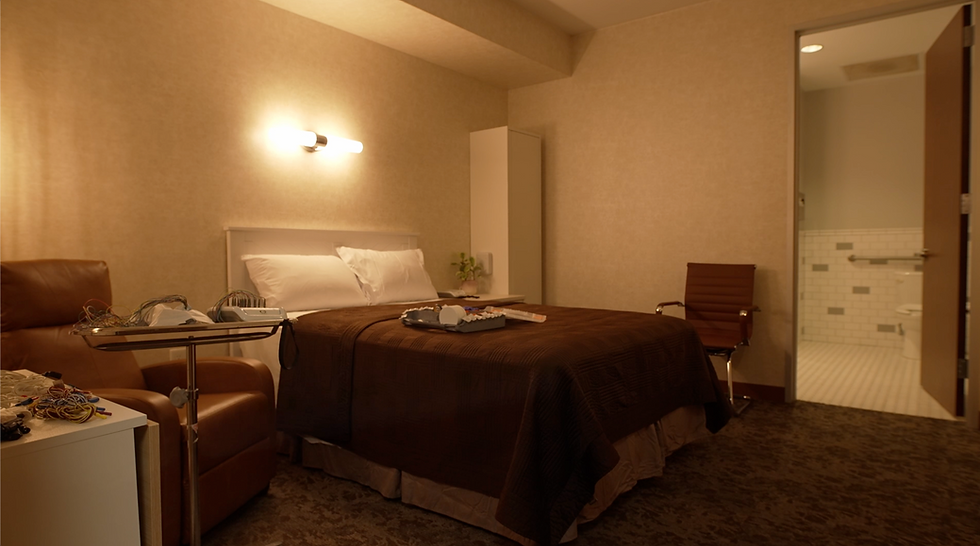
If your symptoms sound familiar, the next step isn’t guessing—it’s testing. At CSMA, patients have access to advanced diagnostic tools that go beyond surface-level sleep advice.
I. Sleep Studies
Sleep studies monitor:
Brain activity
Breathing patterns
Oxygen levels
Sleep stages
Heart rate and movement
This allows specialists to see exactly what’s happening while you sleep.
II. Neurological Sleep Testing
Because sleep and brain function are closely connected, neurological testing can help identify:
Brain-based sleep disruptions
Seizure-related sleep disturbances
Cognitive or neurological contributors to poor sleep
III. Personalized Evaluation
Every patient’s sleep challenges are different.
That’s why CSMA takes a personalized, data-driven approach—not just treating symptoms, but identifying the root cause.
When to Seek Help from a Sleep Specialist
Here’s a simple rule of thumb: If your sleep problems are affecting your daily life, it’s time to get evaluated.
You don’t need to wait months (or years) hoping things improve on their own.
Seeing a sleep specialist can help:
Identify underlying sleep disorders
Improve sleep quality—not just quantity
Restore energy and focus
Prevent long-term health complications
And honestly? Most patients wish they had come in sooner.
You Deserve Better Sleep (And It’s Possible)
If you’re dealing with ongoing sleep disturbances in Houston, TX, you’re not alone—and you’re not stuck.
Better sleep isn’t about “trying harder” or going to bed earlier.
It’s about understanding what your body needs—and getting the right support to make it happen.
Take the Next Step: Get a Sleep Evaluation
If poor sleep is affecting your energy, focus, or overall health, don’t ignore it.

Schedule a sleep evaluation with Comprehensive Sleep Medicine Associates (CSMA) and take the first step toward deeper, more restorative sleep. Because feeling well-rested shouldn’t feel out of reach.


Comments